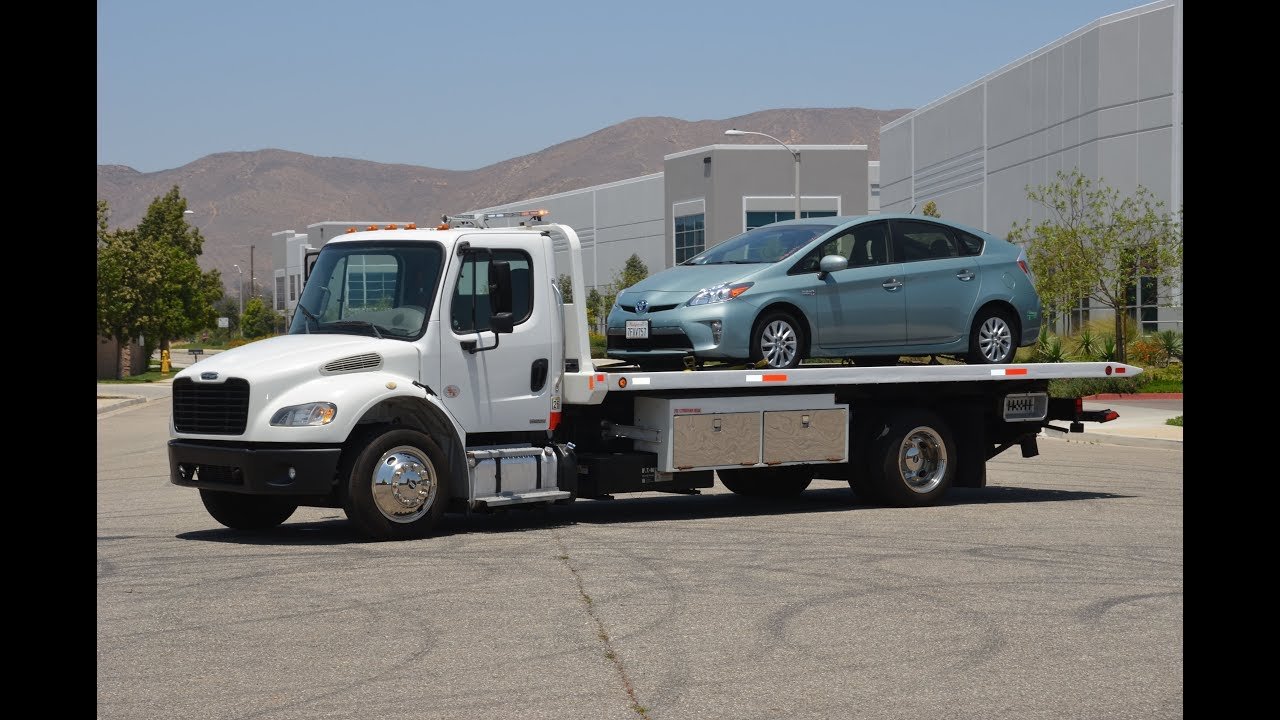
There are few things more stressful than being stranded on the side of the road. Whether it’s a flat tire, a dead battery, an overheating engine, or the aftermath of a collision, the moment your car stops working is the moment you need help — fast. Searching for a “tow truck near me” is one of the most urgent online queries a driver can make, and knowing what to do before, during, and after that search can make all the difference. This guide walks you through everything you need to know about finding a reliable tow truck near you, what it costs, and how to stay safe while you wait.
Why You Might Need a Tow Truck
Breakdowns happen to everyone, no matter how well you maintain your vehicle. Knowing the most common reasons drivers call for a tow can help you recognize when it’s time to stop trying to fix the problem yourself and call a professional.
Dead Battery or Starter Issues — If your car won’t start and jump-starting doesn’t work, you likely have a battery, starter, or alternator problem that needs a mechanic’s attention. Getting your car towed to a trusted repair shop is the safest next step.
Flat Tire or Blowout — If you don’t have a spare, or if the tire is damaged beyond repair, it’s best to search for a tow truck near you instead of attempting to drive on it. Driving on a flat can cause serious damage to your wheels and suspension.
Overheating Engine — An overheating engine can cause major damage if you keep driving. If your temperature gauge spikes, pull over safely and call for help immediately.
Accidents or Collisions — After an accident, your car may not be safe to drive even if it looks fine on the outside. Structural damage, fluid leaks, or hidden mechanical issues can make driving dangerous.
Transmission or Engine Failure — If your vehicle suddenly loses power, makes unusual sounds, or emits strange smells, these are signs of serious mechanical trouble that warrants a tow rather than a DIY fix on the roadside.
What to Do Immediately When You Break Down
Your safety is the top priority in any roadside emergency. Before you even pick up your phone to search for a tow truck, follow these steps:
- Turn on your hazard lights — Do this immediately to alert other drivers that your vehicle is stopped or slowing down.
- Pull over safely — If your vehicle breaks down or you’ve been in an accident, move your car as far off the road as possible. Make sure you are out of the flow of traffic.
- Stay inside your vehicle — If you’re on a busy highway, stay inside your vehicle with your seatbelt fastened until help arrives. It is generally safer to remain in your vehicle until a law enforcement officer or road service provider arrives.
- Note your location — Look for street signs or, if you’re on a highway, mile markers or landmarks. This will help the tow truck driver find you faster.
- Share your location — Use Google Maps or your phone’s GPS to share your precise location when you call for help.
- Remove valuables from your car — Before the tow truck arrives, take important items such as your wallet, phone, and any documents with you.
How to Find a Reliable Tow Truck Near You
When you search for a tow truck near you, dozens of results will appear — but not all towing companies are created equal. Here’s how to quickly evaluate your options and find a trustworthy provider:
Check for Licensing and Insurance — A reputable towing company should be licensed and insured. Reputable towing companies carry commercial liability insurance with significant coverage per vehicle. Always ask about credentials before agreeing to a tow.
Look for 24/7 Availability — Breakdowns don’t follow a schedule. A reliable tow truck service should be available around the clock, any day of the week.
Ask for an Upfront Quote — Transparent pricing is a hallmark of a trustworthy company. When you call, the dispatcher should provide a clear expectation of the process, a potential quote on price, and adequate requests for your information — including location, safety concerns, and vehicle details.
Read Reviews — Platforms like Google, Yelp, and the Better Business Bureau are excellent resources for gauging a company’s reputation. Look for consistent feedback about response times, professionalism, and fair pricing.
Verify When the Truck Arrives — When your tow truck arrives, verify the name of the provider. If you called through a roadside assistance program, the driver should be able to confirm the service details. Never accept a tow from someone who approached you unsolicited.
Useful Directories — Sites like Towing.com provide a nationwide database of towing services to assist you no matter where you are in the United States, giving you direct access to companies without going through a middleman.
How Much Does a Tow Truck Cost?
Understanding towing costs before you’re in an emergency helps you recognize fair pricing and avoid being overcharged.
The national average towing cost is around $110, with a $60 minimum for short local tows. For local tows of 5 to 10 miles, expect to pay typically $75 to $125, with an additional $2 to $4 per extra mile. For a 20-mile tow, a fair rate is generally $105 to $185, depending on your vehicle and location.
Pricing can vary based on several factors:
- Vehicle type — Heavy-duty trucks, RVs, and commercial vehicles cost significantly more to tow than standard cars and SUVs.
- Time of day — After-hours, weekend, or holiday tows often carry a premium.
- Distance — The further your vehicle needs to travel, the higher the total cost.
- Road conditions — Recovery from a ditch, mud, snow, or a remote location involves additional equipment and labor.
One important warning: predatory towing scams do exist. Some unscrupulous operators have been known to charge extreme prices, particularly after approaching drivers unsolicited following accidents. If someone demands an unusually high fee — especially after offering help without being called — decline and contact law enforcement if necessary. Always verify before accepting someone’s offer to tow your car.
Roadside Assistance Plans: Be Prepared Before You Break Down
One of the best ways to reduce the stress of a breakdown is to have a roadside assistance plan in place before you ever need it. Several well-known programs offer reliable nationwide coverage:
AAA is one of the most trusted names in roadside assistance. With a fleet of more than 63,000 towing and roadside service trucks across the country, AAA Roadside Assistance is designed to get you back on the road. Basic members receive towing coverage for up to 3 miles per call, while Plus and Premier members receive 100 miles of towing per roadside assistance call, with Premier members getting one tow up to 200 miles. On average, AAA arrives faster than many other tow services, making it a smart investment for frequent drivers.
Insurance-Based Roadside Assistance — Many auto insurance policies include roadside assistance as an add-on or standard feature. Call your insurance provider’s roadside assistance line first — they often have preferred providers with faster response times and may cover the cost of the tow entirely.
Manufacturer Roadside Assistance — Many new vehicles come with complimentary roadside assistance for a set period. Check your owner’s manual or the manufacturer’s website to see if your vehicle qualifies.
What to Expect When the Tow Truck Arrives
When the tow truck driver arrives, be ready to provide your vehicle registration as proof of ownership, sign an authorization form, and confirm the destination for your vehicle — whether that’s a repair shop, your home, or a dealership. Make sure the service provider is aware of any circumstances that may require special towing or transport considerations, such as an unusual vehicle type or specific mechanical issues.
Average arrival times vary by location: urban areas typically see tow trucks arrive within 20 to 45 minutes, suburban areas within 30 to 60 minutes, and rural areas can see wait times of 45 to 90 minutes or more. Weather conditions and peak traffic hours can extend these windows significantly, so stay patient and stay safe while you wait.
Be Prepared Before You Ever Need a Tow
The best time to find a reliable tow truck near you is before you need one. Save the number of a trusted local towing company in your phone, check whether your insurance or car warranty includes roadside assistance, and keep an emergency kit in your vehicle. A little preparation goes a long way toward turning a stressful roadside situation into a manageable one.
Leave a Reply