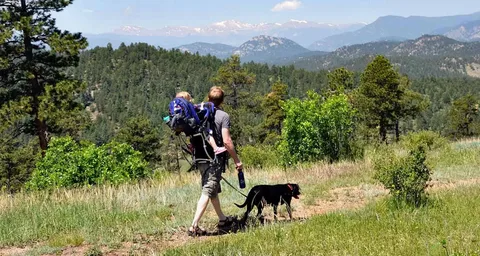
Few activities offer as much in return for so little investment as hiking. Lace up your boots, step onto a trail, and within minutes you are breathing fresh air, moving your body, and reconnecting with the natural world. Whether you are a complete beginner looking for your first easy walk through a local park or an experienced trekker searching for your next challenging summit, finding great hikes near you is the first step toward one of the most rewarding outdoor pursuits available. This guide covers everything you need to know — from the health benefits of hiking and how to find trails near you, to what to bring and how to stay safe on the trail.
Why Hiking Is Worth Your Time
The health benefits of hiking are far-reaching, which explains why more people than ever are heading outdoors to hit the trails. According to available data, more Americans are going for hikes than ever before, with participation growing by over 80 percent in the past decade alone. And it is not hard to understand why.
Hiking is a full-body workout in disguise. It strengthens your legs, boosts your cardiovascular health, and improves your balance — without the intensity of a gym session. Hiking in natural environments has also been shown to reduce anxiety, combat depression, and lower cortisol levels, which is your body’s main stress hormone. You get to challenge your body while also giving your mind a break from daily noise and screens.
The physical benefits go even deeper. Regular hiking helps with weight management, lowers blood pressure, improves cholesterol levels, and decreases the risk of heart disease, hypertension, and diabetes. If you weigh around 200 pounds and hike at a comfortable pace for one hour, you can burn over 300 calories — all while enjoying some of the most beautiful scenery your region has to offer.
Perhaps best of all, hiking is accessible to nearly everyone. One of the best things about hiking is how approachable it is. You do not need to invest in expensive gear or training programs to get started. Many beginner-friendly trails are located in local parks, nature reserves, or state forests — and they are often completely free.
How to Find Hikes Near You
Finding great local trails has never been easier, thanks to a growing ecosystem of apps, websites, and community resources dedicated to the outdoors.
AllTrails is the gold standard for trail discovery. With over 113,000 hiking trails, mountain biking routes, and backpacking trips across the United States, AllTrails features hand-curated trail maps, reviews, and photos from nature lovers of every skill level. You can filter by difficulty, distance, elevation gain, features like waterfalls or scenic views, and even pet-friendliness. The platform lists over 58,000 family-friendly hikes and more than 78,000 routes with waterfalls or scenic views — making it easy to find exactly what you are looking for regardless of your experience level.
Google Maps is another surprisingly powerful tool. Simply searching “hikes near me” or “hiking trails near [your city]” will surface nearby parks, trailheads, and nature areas with user reviews, photos, and directions. It is a great starting point for casual discovery.
State and national park websites are invaluable resources for finding well-maintained, officially managed trails. These sites provide up-to-date information on trail conditions, permit requirements, seasonal closures, and difficulty ratings — all essential for planning a safe and enjoyable outing.
Local outdoor communities are another excellent resource. Facebook groups, Reddit forums, and Meetup hiking clubs in your area are filled with people who know the best local trails and are happy to share recommendations. Searching for hiking groups in your area can connect you with like-minded adventurers and help you discover hidden gems that do not always appear on mainstream apps.
Iconic Hikes Across the United States
No matter where you live in the United States, world-class hiking is within reach. Here is a regional snapshot of some of the country’s most celebrated trails and destinations:
The Pacific Northwest Washington and Oregon are hiking paradises. The Skyline Trail at Mount Rainier offers lush vegetation, glacier views, rivers, waterfalls, and incredible panoramic views in a single loop. The Rattlesnake Ledge trail near Seattle is a popular option just 30 minutes from downtown Bellevue, delivering great panoramic views from atop Rattlesnake Ridge. Oregon’s Silver Falls State Park, located under an hour from Salem, features a moderate 7.2-mile loop past ten stunning waterfalls through dense northwestern forest.
California Yosemite National Park alone offers nearly 800 miles of trails. The Mist Trail is widely considered one of the best day hikes in the park, taking hikers close to two massive waterfalls — Vernal Fall and Nevada Fall — with the possibility of getting soaked in rainbow-bearing mist. For those seeking solitude, quieter routes like the Four Mile Trail and the Swinging Bridge Trail offer jaw-dropping rock formations and kaleidoscopic wildflower displays without the heavy crowds.
The Rocky Mountains Rocky Mountain National Park in Colorado is a hiker’s dream, with more than 350 miles of trails and exciting wildlife opportunities including moose, elk, and bighorn sheep. The Emerald Lake Trail passes by four alpine lakes and affords exceptional views with minimal elevation gain — perfect for hikers of all skill levels. Advanced trekkers can attempt Longs Peak, a challenging 14er (a peak higher than 14,000 feet above sea level) that rewards the effort with unparalleled summit views.
The Southwest Zion National Park in Utah is home to some of the most dramatic hiking in the country. The Narrows is considered the must-do hike in the park, taking hikers through the narrowest section of Zion Canyon along the Virgin River. Sedona, Arizona offers easy, supported desert hiking through stunning red rock country, with many trails leading to unique natural features in just a few miles with minimal elevation gain.
The East Coast and Appalachians The Appalachian Trail stretches over 2,000 miles from Georgia to Maine, offering everything from short day hikes to multi-month thru-hikes. Shenandoah National Park in Virginia is ideal for beginners and families, with gentle terrain and scenic routes like the Stony Man Loop and Dark Hollow Falls. The Adirondack Mountains in upstate New York feature one of the largest hiking systems in the country, with more than 2,000 miles of trails ranging from accessible nature paths to challenging High Peaks ascents.
Family-Friendly Options Great Smoky Mountains National Park — America’s most visited national park — is popular for good reason. Easy trails like Laurel Falls and the Elkmont Nature Trail are shaded, partially paved, and offer interpretive signage that keeps children engaged and excited throughout the hike.
What to Bring on a Hike
Preparation is the key to a comfortable and safe hiking experience. Here is a practical packing list for a day hike:
- Water — Bring at least half a liter per hour of hiking in mild weather, and more in hot or strenuous conditions. Staying hydrated is non-negotiable, even on short trails.
- Snacks and food — Hiking burns more energy than a regular walk. Pack light, nutrient-dense foods like nuts, trail mix, energy bars, and fresh fruit. Bring calorie-dense, ready-to-eat foods that will keep you going all day on the trail.
- Proper footwear — A comfortable pair of well-fitting hiking shoes or boots is essential to keep you from spraining an ankle or developing blisters. For uneven or rocky terrain, hiking boots with ankle support are strongly recommended.
- Layered clothing — Dress in moisture-wicking layers that you can adapt to changing weather conditions. Always carry a waterproof jacket, regardless of the forecast.
- Navigation — Download offline trail maps before you go. Many trail areas have limited or no cell service, so do not rely solely on your phone’s data connection. A paper map as a backup is always a smart idea.
- First aid kit — Even on short hikes, a basic first aid kit with bandages, antiseptic wipes, and blister treatment is worth carrying.
- Sunscreen and bug repellent — Protect your skin with SPF 30 or higher sunscreen, even on cloudy days. In warmer months, bug repellent is essential for hiking through wooded or marshy areas.
- A fully charged phone — For navigation, emergencies, and capturing memories along the way.
Hiking Safety: Essential Tips for Every Trail
Whether you are tackling your first beginner trail or heading out on a challenging backcountry route, safety should always come first.
Start small. A common mistake new hikers make is overdoing it right away, which typically results in a miserable experience. Begin with shorter, flatter trails and gradually build up distance and elevation as your fitness and confidence improve.
Check the weather. Always check the forecast before heading out. Weather in mountain and forested areas can change rapidly. Knowing what to expect helps you dress appropriately and avoid dangerous conditions.
Tell someone your plans. Always let a friend or family member know where you are hiking and when you expect to return. If something goes wrong, this information can be critical for search and rescue.
Stay on the trail. Straying off marked paths can lead to getting lost, damaging fragile ecosystems, and encountering hazardous terrain. Stay on designated trails at all times.
Pace yourself. The best pace is one that lets you breathe comfortably and enjoy the trail. Take short breaks every 30 to 45 minutes to sip water, stretch, and take in the scenery. Listen to your body — it is better to rest early than to push too hard and end up exhausted or injured.
Practice Leave No Trace. Pack out everything you pack in. Leave wildlife alone, stay on established trails, and leave the environment exactly as you found it — or better.
Start Your Hiking Journey Today
The best hike near you is the one you actually go on. Whether it is a 20-minute walk through a local nature reserve or a full-day adventure in a national park, every step on the trail is a step toward better health, greater confidence, and a deeper connection with the natural world. Use the tools available to you, start at a level that suits your fitness, and let the trail do the rest.
Your next great adventure is closer than you think.
Leave a Reply