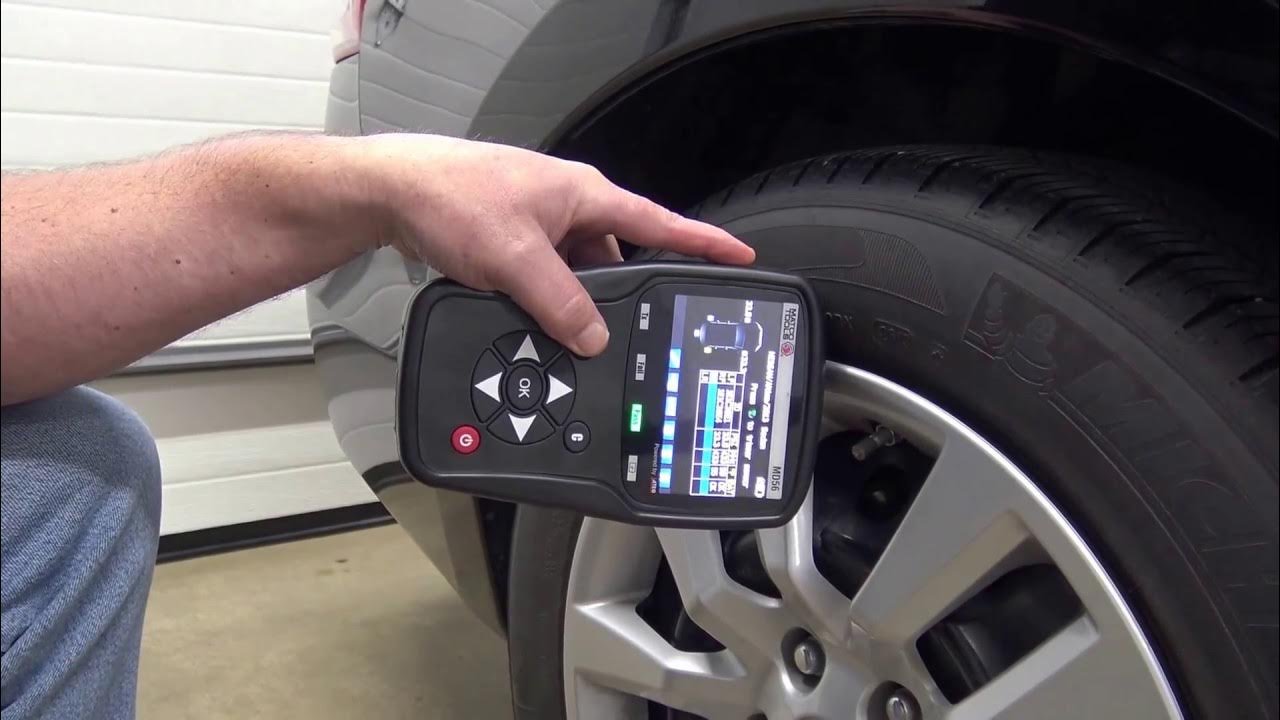
In the world of automotive safety and efficiency, proper tire pressure is one of the most crucial—yet often overlooked—factors. Under-inflated or over-inflated tires can lead to poor fuel economy, uneven tire wear, and even dangerous blowouts. Recognizing the importance of tire pressure, modern vehicles are equipped with Tire Pressure Monitoring Systems (TPMS). To maintain, diagnose, and service these systems, technicians and car enthusiasts rely on specialized devices known as TPMS tools. In this article, we’ll explore everything you need to know about TPMS tools: what they are, how they work, their benefits, types, and tips for choosing the right one for your needs.
What is a TPMS Tool?
A TPMS tool is a specialized diagnostic device used to interact with a vehicle’s Tire Pressure Monitoring System. TPMS tools can read, activate, program, and reset the sensors that monitor tire pressure in each wheel. These tools are essential for maintenance, sensor replacement, and resolving warning lights related to tire pressure.
There are two main types of TPMS: direct and indirect. Direct TPMS uses sensors mounted inside the tire to measure air pressure, while indirect TPMS estimates pressure based on wheel speed and other data from the vehicle’s ABS system. TPMS tools are primarily used with direct systems, as they involve unique, programmable sensors.
Why Are TPMS Tools Important?
1. Safety
Incorrect tire pressure is a leading cause of blowouts and accidents. TPMS tools ensure the system is functioning properly, alerting drivers to potential hazards before they become serious.
2. Fuel Efficiency
Proper tire pressure reduces rolling resistance, leading to better fuel economy. TPMS tools help maintain correct sensor function so drivers can react promptly to pressure changes.
3. Tire Longevity
Even tire wear depends on maintaining the right pressure. Using a TPMS tool to diagnose or reset sensors after tire service protects your investment in tires.
4. Regulatory Compliance
In many countries, TPMS is mandatory on new vehicles. Workshops and technicians must have TPMS tools to comply with safety regulations and pass vehicle inspections.
Main Functions of a TPMS Tool
1. Sensor Activation:
TPMS sensors are often in a “sleep” mode to save battery life. A TPMS tool can wirelessly activate sensors so they transmit data.
2. Sensor Read/Scan:
The tool can read sensor ID, pressure, temperature, and battery status, displaying data for each tire.
3. Sensor Programming:
When replacing sensors, especially universal ones, a TPMS tool can copy or write the correct ID and protocol to the new sensor.
4. Relearning/Reset:
After rotation, replacement, or repair, the TPMS tool helps relearn the sensor positions, syncing them with the vehicle’s onboard computer.
5. Diagnostics:
Advanced TPMS tools can detect faults in the system, such as sensor battery failure, communication errors, or mismatched IDs.
Types of TPMS Tools
1. Activation or Trigger Tools
These basic devices “wake up” the TPMS sensors by sending a radio frequency (RF) signal. They are useful for simple tasks like sensor testing and basic resets.
2. Scan Tools
Scan tools can read sensor data and display diagnostic information. They are typically used by tire shops and automotive technicians for troubleshooting and maintenance.
3. Programming Tools
These tools can program universal or programmable sensors with the correct vehicle-specific information. They are essential for replacing sensors or adding new ones after a tire change.
4. All-in-One TPMS Tools
Premium tools combine activation, scanning, programming, and relearning capabilities. They support a wide range of vehicles and sensor types, making them indispensable for professional shops.
How to Use a TPMS Tool: Step-by-Step
-
Check Your Vehicle’s TPMS Type:
Consult your owner’s manual to determine if your car uses direct or indirect TPMS. -
Turn on the TPMS Tool:
Power up the device and select the make, model, and year of your vehicle. -
Activate or Scan the Sensors:
Place the tool next to each tire’s valve stem. Follow the device’s prompts to activate or scan each sensor. -
Read Data:
The tool will display information like sensor ID, pressure, and battery status. -
Program New Sensors (if needed):
If installing new sensors, use the tool to write the correct vehicle information to each sensor. -
Relearn or Reset:
After tire rotation or sensor replacement, use the TPMS tool to initiate the relearn process. This may involve a sequence of ignition cycles, button presses, or driving at a certain speed. -
Verify System Status:
Check that the TPMS warning light is off and that the vehicle’s display shows correct pressure readings for all tires.
Choosing the Right TPMS Tool
When selecting a TPMS tool, consider the following:
- Vehicle Compatibility: Ensure the tool supports your vehicle’s make, model, and year.
- Functions Needed: Basic users may only need activation, while professionals will want programming and diagnostic features.
- Ease of Use: Look for an intuitive interface and clear instructions.
- Updateability: Choose a tool that allows software updates for new vehicles and sensors.
- Build Quality: Durable construction is important for frequent use in automotive environments.
- Brand Reputation: Opt for trusted brands like Autel, Bartec, ATEQ, Launch, or OTC.
Tips for Effective TPMS Maintenance
- Replace Sensor Batteries: Most TPMS sensors have non-replaceable batteries lasting 5-10 years. Replace aging sensors proactively.
- Rotate Tires Regularly: Always perform a TPMS relearn after rotation to ensure accurate readings.
- Avoid Aftermarket Wheels Without TPMS Ports: Some aftermarket rims lack provisions for TPMS sensors.
- Keep the Tool Updated: Regularly update your TPMS tool software for new vehicle coverage and bug fixes.
- Handle Sensors Carefully: Avoid dropping or damaging sensors during tire service.
Common TPMS Issues and Solutions
-
TPMS Warning Light Stays On:
Check for low tire pressure, dead sensor batteries, or sensor ID mismatch. Use a TPMS tool to diagnose the cause. -
Failed Relearn Procedure:
Ensure all sensors are functioning and that the correct sequence is followed. Some vehicles require specific driving patterns or tool procedures. -
Interference or No Signal:
Nearby radio frequencies or damaged sensors can disrupt transmission. Move to a different location and re-scan. -
Incorrect Readings:
Check for damaged sensors, incorrect programming, or low battery. Replace or reprogram as necessary.
The Future of TPMS Tools
As automotive technology advances, TPMS tools are becoming smarter and more integrated. Some modern systems feature Bluetooth connectivity, cloud-based software updates, and even smartphone compatibility. These advancements allow for faster diagnostics, seamless service, and better integration with overall vehicle health monitoring.
With the rise of electric vehicles and evolving safety standards, TPMS technology—and the tools to service it—will continue to play a critical role in automotive maintenance and safety.
Conclusion
TPMS tools are an essential part of modern automotive service, ensuring safe, efficient, and compliant vehicles. Whether you’re a professional technician or a DIY enthusiast, understanding how to use and maintain TPMS tools will help you keep your tires—and your car—in top shape. From basic activation to advanced diagnostics and programming, these devices save time, improve safety, and protect your investment in your vehicle. As cars become more connected and complex, TPMS tools will remain at the forefront of automotive care.
Leave a Reply