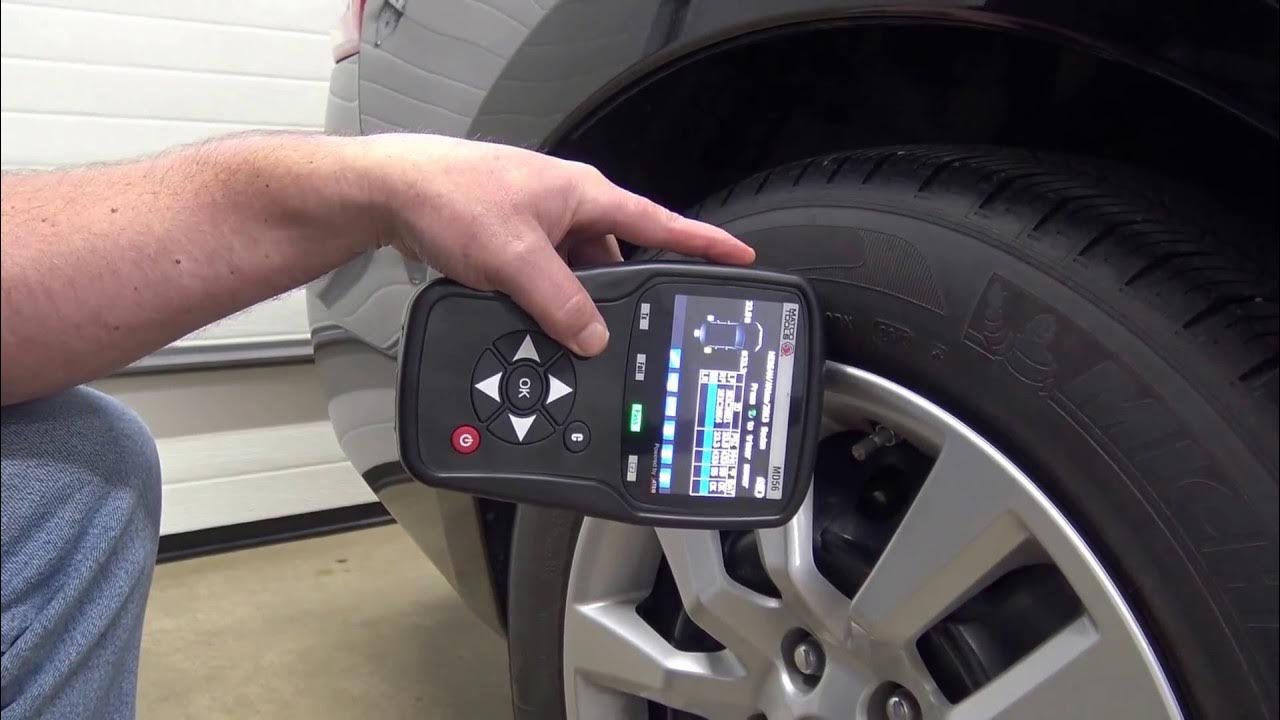
Modern vehicles are equipped with a range of electronic systems designed to enhance driver safety and vehicle performance. Among these, the Tire Pressure Monitoring System (TPMS) stands out as a critical feature that ensures optimal tire pressure, prevents blowouts, improves fuel economy, and extends tire life. But like all electronic systems, TPMS can encounter issues that require specialized attention. Enter the TPMS scan tool—a vital device for automotive professionals and DIY enthusiasts alike. In this comprehensive guide, we’ll explore what a TPMS scan tool is, how it works, why it’s important, and how to use one effectively.
What Is a TPMS Scan Tool?
A TPMS scan tool is a diagnostic device specifically designed to interact with a vehicle’s Tire Pressure Monitoring System. The primary function of a TPMS scan tool is to read, diagnose, and sometimes reprogram the sensors within the tires that monitor air pressure. These tools can activate TPMS sensors, retrieve sensor data (such as pressure, temperature, battery status, and unique sensor IDs), diagnose system faults, and reset or relearn the TPMS after maintenance or tire changes.
Unlike a simple tire gauge or dashboard warning light, a TPMS scan tool provides detailed, real-time information, allowing for accurate troubleshooting and efficient repairs.
Why Are TPMS Scan Tools Important?
1. Safety
Under-inflated or over-inflated tires are a leading cause of tire blowouts, reduced handling, and increased braking distances. A properly functioning TPMS helps prevent these issues by warning drivers of unsafe tire pressures. A scan tool ensures that this system is always working as intended.
2. Efficiency and Cost Savings
Correct tire pressure translates to better fuel economy and longer tire life. By using a TPMS scan tool to keep the system in top condition, drivers save money on fuel and avoid premature tire replacement.
3. Regulatory Compliance
In many countries, including the United States and EU, TPMS is mandated on new vehicles. Failing TPMS systems can cause a vehicle to fail inspection or result in fines. Scan tools are essential for compliance and passing mandatory checks.
4. Professional Diagnostics
For auto technicians, a TPMS scan tool is indispensable for diagnosing complex issues—such as sensor miscommunication, battery failure, or relearning problems—that a dashboard warning light alone cannot reveal.
Types of TPMS Scan Tools
TPMS scan tools come in a variety of forms, each catering to different needs:
1. Basic TPMS Reset Tools
These entry-level devices can reset the TPMS warning light and initiate sensor relearn modes after tire rotations or replacements. They may not offer in-depth diagnostics or sensor programming.
2. Sensor Activation Tools
These tools can “wake up” the tire sensors by sending a radio frequency (RF) signal, prompting them to transmit data. Useful for quick checks and simple diagnostics.
3. Full-Function TPMS Scan Tools
These advanced tools can:
- Read and display sensor data (pressure, temperature, battery, ID)
- Activate and test all types of TPMS sensors (OE and aftermarket)
- Program and clone universal sensors
- Perform relearn procedures for various vehicle makes and models
- Diagnose communication faults and system errors
Professional shops and dealerships typically use these comprehensive devices.
4. Integrated Diagnostic Scanners
High-end automotive diagnostic tools often include TPMS functions in addition to OBD-II scanning, ABS/SRS diagnostics, and more, providing a one-stop solution for all vehicle systems.
How Does a TPMS Scan Tool Work?
Most modern vehicles use direct TPMS, with battery-powered sensors inside each tire transmitting data to the vehicle’s ECU (electronic control unit). Here’s how a scan tool interacts with this system:
- Sensor Activation: The tool sends a signal to the TPMS sensor, prompting it to transmit its data.
- Data Reading: The scan tool receives and displays the sensor’s information: pressure, temperature, battery status, and sensor ID.
- Diagnostics: The device checks for sensor faults, communication errors, or low battery warnings.
- Programming: For sensor replacements or upgrades, the scan tool writes the correct vehicle-specific data to new sensors.
- Relearn/Reset Procedures: After maintenance (e.g., tire rotation or sensor replacement), the tool guides the technician through the relearn process so the ECU recognizes the new sensor positions.
Step-by-Step: Using a TPMS Scan Tool
Whether you’re a pro technician or a DIY enthusiast, using a TPMS scan tool involves several key steps:
1. Preparation
- Ensure the scan tool is compatible with your vehicle make, model, and year.
- Update the tool’s software to cover the latest vehicles and sensors.
- Park the vehicle on a flat surface and turn the ignition to the “on” position.
2. Sensor Activation and Data Retrieval
- Select the vehicle profile in the scan tool.
- Hold the tool near each tire’s valve stem and activate the sensor.
- Wait for the tool to display sensor data. Note any discrepancies or error messages.
3. Diagnosing Issues
- Check for warning codes, low battery alerts, or communication faults.
- Compare sensor IDs and pressure readings with vehicle specifications.
4. Reprogramming or Replacing Sensors
- If replacing sensors, use the scan tool’s “program” or “clone” function to write the correct information to new sensors.
- For universal sensors, follow the manufacturer’s instructions for proper programming.
5. Relearn or Reset Procedure
- Follow the vehicle-specific relearn procedure as guided by the tool (this may involve driving the car at a certain speed, cycling the ignition, or following on-screen prompts).
- Verify all sensors are recognized by the system and the TPMS warning light is off.
Benefits of Using a TPMS Scan Tool
1. Accurate Diagnostics
Pinpoint issues quickly, avoiding guesswork and reducing repair time.
2. Faster Service
Relearn and program sensors efficiently, minimizing vehicle downtime.
3. Cost Savings
Avoid unnecessary sensor replacements by identifying which sensor is faulty.
4. Enhanced Customer Satisfaction
For workshops, providing precise diagnostics and efficient repairs improves client trust and business reputation.
5. Versatility
Advanced scan tools support multiple vehicle makes, models, and sensor types, making them a valuable long-term investment.
Choosing the Right TPMS Scan Tool
When selecting a TPMS scan tool, consider the following factors:
- Compatibility: Check vehicle and sensor coverage.
- Functionality: Decide if you need basic reset capability or full diagnostic and programming options.
- Ease of Use: Look for intuitive menus, clear displays, and guided procedures.
- Update Support: Choose tools with regular software updates for new models and sensors.
- Durability: For professional use, select a rugged device suitable for workshop environments.
- Brand Reputation: Opt for trusted brands such as Autel, ATEQ, Bartec, Launch, or OTC.
Common TPMS Problems Solved with a Scan Tool
- Warning Light Stays On: Diagnose whether it’s due to sensor battery failure, loss of communication, or a simple pressure issue.
- Sensor Not Detected: Identify which sensor is faulty or missing.
- Incorrect Readings: Detect misprogrammed or swapped sensors after tire rotation.
- Relearn Failures: Guide the correct steps to ensure the ECU recognizes new sensors.
Tips for Effective TPMS Maintenance
- Regularly Check Tire Pressure: Use a traditional gauge in addition to the TPMS for best results.
- Replace Sensor Batteries: Most sensors last 5-10 years; replace aging units proactively.
- Update Your Tool: Keep software current for new vehicles and sensor protocols.
- Handle Sensors Carefully: Avoid dropping or damaging sensors during tire service.
The Future of TPMS Scan Tools
As vehicles become more connected and advanced, TPMS scan tools are evolving with features like:
- Bluetooth and Wireless Data Transfer: For seamless connection to smartphones and service computers.
- Cloud-Based Updates: Instant access to the latest vehicle coverage.
- Integration with Diagnostic Suites: One device for all vehicle electronic systems.
These advancements promise even easier, more accurate diagnostics for vehicle owners and professionals.
Conclusion
A TPMS scan tool is an indispensable asset for anyone responsible for vehicle safety and maintenance. By providing accurate diagnostics, efficient programming, and reliable system resets, these tools help ensure optimal tire performance and safety. Whether you’re a professional technician or a dedicated DIYer, investing in a quality TPMS scan tool pays dividends in time, money, and peace of mind—keeping you, your passengers, and your vehicle safely on the road.
Leave a Reply