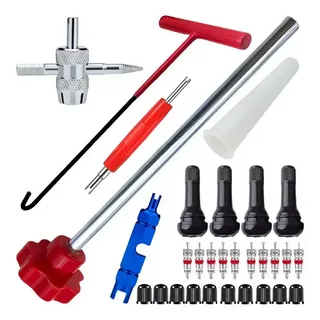
In the world of automotive and mechanical maintenance, small tools often play a big role. One such unsung hero is the valve stem tool—a simple yet indispensable instrument for anyone dealing with tires, tubes, air conditioning systems, or any device that relies on Schrader valves. Whether you’re a professional mechanic, an avid cyclist, or a DIY car enthusiast, understanding the value of the valve stem tool can save you time, money, and frustration. This article delves into what a valve stem tool is, its types, uses, how to use it safely, and tips for getting the most out of this handy device.
What is a Valve Stem Tool?
A valve stem tool is a specialized hand tool designed to install, remove, or repair the valve cores inside valve stems. The valve stem is the cylindrical component protruding from your tire or tube, allowing for inflation and deflation. Inside the stem sits the valve core—a small, spring-loaded device that regulates airflow in and out.
Valve stem tools are engineered to engage with the tiny flats on the valve core, making it easy to screw or unscrew without damaging the delicate parts. They are primarily used with Schrader valves, which are the standard on car, truck, and bicycle tires, as well as many air conditioning and refrigeration systems.
Types of Valve Stem Tools
Valve stem tools come in several designs, each tailored to specific situations:
1. Single-Ended Valve Core Remover
The most basic type, featuring a notched tip designed to fit snugly over the core. It often looks like a small screwdriver, making it portable and easy to use.
2. Double-Ended (Four-Way) Valve Tool
This popular tool offers four functions in one: two ends for installing/removing valve cores, and two for cleaning or rethreading the inside and outside of the valve stem. It’s a staple in professional and home toolkits.
3. T-Handle Valve Stem Tool
Featuring a comfortable grip and a long shaft, the T-handle style provides extra leverage for stubborn or hard-to-reach valve cores—particularly useful for deep-set wheels or air conditioning systems.
4. Valve Stem Puller/Installer
This robust tool allows you to pull a new rubber valve stem through a wheel rim, ensuring proper seating. Some versions have threaded ends to screw onto the stem for secure installation.
5. Specialized A/C Valve Tools
Used in HVAC and refrigeration, these tools are designed for the unique valve cores found in air conditioning systems.
Common Uses of Valve Stem Tools
1. Tire Maintenance and Repair
- Removing a Core: When deflating a tire fully or preparing for repair, the core is unscrewed to allow rapid air release.
- Replacing a Core: Old or leaking cores are swapped out for new ones to restore airtightness.
- Installing a New Valve Stem: Pullers help seat new stems securely in the rim.
2. Air Conditioning and Refrigeration
Valve stem tools are essential for servicing the Schrader valves in A/C systems. They allow technicians to replace leaking valves and maintain system pressure.
3. Bicycle and Motorcycle Tires
Cyclists and motorcyclists use valve stem tools for inner tube repairs, upgrades, or routine maintenance.
4. Agricultural and Industrial Equipment
Any machinery using pneumatic tires or pressurized systems may require valve stem tool usage.
5. Home Applications
Some home appliances, inflatable toys, and pressure vessels use Schrader valves, making the valve stem tool handy for maintenance.
Step-by-Step Guide: How to Use a Valve Stem Tool
1. Gather Your Materials:
You’ll need a valve stem tool, a replacement core if necessary, and safety gloves/eyewear.
2. Prepare the Tire or System:
Ensure the tire or system is deflated and the vehicle or object is stable. If working with refrigerants, follow all safety protocols.
3. Remove the Valve Cap:
Unscrew the plastic cap at the tip of the stem to expose the valve core.
4. Insert the Tool:
Fit the notched end of the valve stem tool over the core. Turn counterclockwise to unscrew.
5. Inspect or Replace the Core:
Check for wear or damage. If replacing, screw in the new core by turning clockwise until snug—do not overtighten.
6. Inflate and Check for Leaks:
Inflate the tire or system to the recommended pressure and check for leaks by spraying soapy water around the valve.
7. Replace the Cap:
Always finish by replacing the protective valve cap to keep dirt and moisture out.
Benefits of Using a Valve Stem Tool
- Saves Time: Removing the valve core allows for rapid deflation or inflation, speeding up repairs and maintenance.
- Prevents Damage: The tool is designed to fit snugly, minimizing the risk of stripping or breaking the valve core.
- Cost-Effective: A valve stem tool is inexpensive but can prevent costly tire or system failures due to leaking valves.
- Versatile: Suitable for automotive, cycling, HVAC, and many other applications.
- Portable: Most valve stem tools are small enough to carry in a glove box, bike pouch, or tool belt.
Tips for Valve Stem Tool Use and Valve Care
- Keep It Clean: Dirt and grit can damage cores and stems. Clean the area before removing the core.
- Do Not Overtighten: Valve cores are delicate—snug is enough. Overtightening can damage seals or threads.
- Replace Old Cores: If you notice slow leaks or corrosion, replace the core rather than just tightening.
- Use Thread Sealant (If Needed): For stubborn leaks, a drop of thread sealant can help, but use only products safe for rubber and air systems.
- Check Compatibility: Not all valve tools fit Presta valves (common on some bikes) or other specialty valves. Always check before using.
- Store Properly: Keep your valve stem tool in a dry, accessible place to prevent rust and have it on hand when needed.
Troubleshooting Common Valve Stem and Core Problems
- Leak After Core Replacement: Ensure the new core is compatible and seated correctly. Clean the stem and try again.
- Stripped Threads: If the valve stem or core threads are damaged, use the rethreading feature on a four-way tool, or replace the stem if necessary.
- Valve Core Won’t Budge: Use a T-handle tool for extra leverage, but don’t force it—apply penetrating oil and try again.
- Persistent Air Loss: Inspect the tire and rim for punctures or cracks; sometimes leaks are not just from the core.
When to Replace a Valve Stem
- Visible Cracks or Dry Rot: Rubber valve stems degrade over time, risking sudden failure.
- After Tire Replacement: It’s wise to install new stems when fitting new tires for reliability.
- Frequent Air Loss: Chronic leaks may signal a faulty or damaged stem.
Valve stem pullers make replacement easy, pulling the new stem securely through the rim.
Valve Stem Tools for Professionals
For automotive shops, fleet operators, and HVAC technicians, investing in professional-grade valve stem tools is essential. These often include:
- Heavy-duty pullers and installers
- Bulk valve core and stem kits
- Specialized tools for TPMS (Tire Pressure Monitoring System) valves
- HVAC valve core tools with built-in shut-off valves for safe refrigerant work
Professional tools are built for durability and repeated use, saving time and improving safety in high-volume environments.
Conclusion
The valve stem tool may be small, but its impact on automotive, HVAC, cycling, and industrial maintenance is enormous. From quickly deflating a tire for repair to replacing a leaking valve core in an air conditioning unit, this tool’s versatility and effectiveness make it a must-have in any toolkit. By understanding the types, proper use, and maintenance tips for valve stem tools, you can ensure safer, faster, and more reliable repairs—keeping your wheels rolling and your systems running smoothly.
Leave a Reply