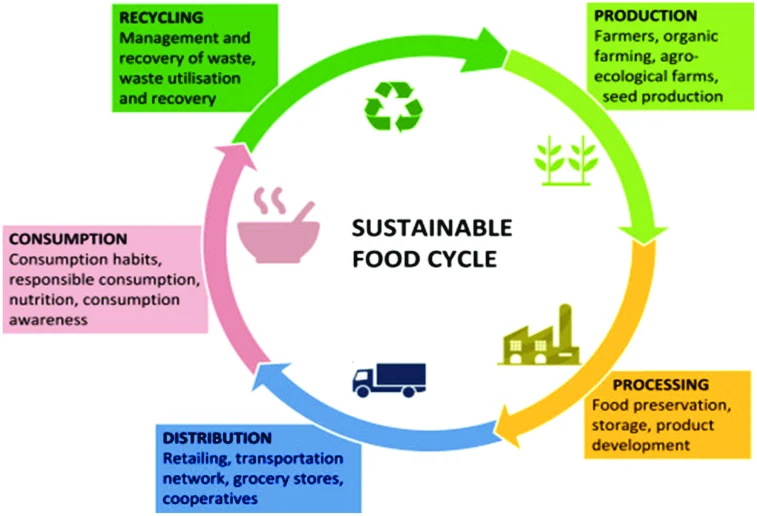
In an era marked by environmental concerns and resource scarcity, the concept of the circular economy has gained significant traction. Among its many applications, food circularity stands out as a transformative strategy for creating sustainable food systems. This article delves into the meaning of food circularity, its benefits, key practices, and how individuals, businesses, and governments can contribute to a more circular food future.
What Is Food Circularity?
Food circularity refers to the design and management of food systems in a way that minimizes waste, maximizes resource efficiency, and regenerates natural systems. Unlike the traditional linear model—where food is produced, consumed, and discarded—circular food systems aim to keep resources in use for as long as possible, extracting their maximum value and returning nutrients to the soil or other productive uses at the end of their lifecycle.
Why Is Food Circularity Important?
The global food system is responsible for a significant portion of greenhouse gas emissions, land and water use, and biodiversity loss. According to the Food and Agriculture Organization (FAO), nearly one-third of all food produced globally is lost or wasted. This not only represents a massive waste of resources but also contributes to climate change and food insecurity.
By embracing food circularity, societies can:
- Reduce waste and pollution
- Conserve natural resources
- Improve food security
- Stimulate economic opportunities
- Foster innovation and resilience in food systems
Key Principles of Food Circularity
Food circularity is grounded in several core principles:
- Design Out Waste and Pollution: Prevent food waste at every stage, from farm to fork, and minimize packaging and resource use.
- Keep Products and Materials in Use: Reuse food byproducts, upcycle surplus food, and promote sharing or redistribution.
- Regenerate Natural Systems: Return nutrients to the soil through composting, regenerative agriculture, and other practices that enhance ecosystem health.
Circular Practices in the Food Industry
Transitioning to a circular food system involves innovation and collaboration across the supply chain. Here are some key practices:
1. Reducing Food Waste
- Better Planning and Inventory: Businesses and consumers can use smart inventory systems, meal planning, and portion control to avoid over-purchasing and spoilage.
- Redistribution: Surplus food from restaurants, retailers, and producers can be donated to food banks or redistributed to those in need.
2. Valorizing Byproducts and Surplus
- Upcycling: Turning food byproducts and surplus into new products, such as using spent grain from brewing to make baked goods or animal feed.
- Biogas and Bioenergy: Organic food waste can be converted into renewable energy through anaerobic digestion, producing biogas and nutrient-rich digestate.
3. Regenerative Agriculture
- Soil Health: Returning food waste to the land as compost improves soil fertility and water retention.
- Agroecology: Integrating crop and livestock systems, cover cropping, and minimal tillage to enhance biodiversity and resilience.
4. Reusable Packaging and Circular Logistics
- Reusable Containers: Using returnable packaging for food delivery or bulk purchasing reduces single-use plastics.
- Efficient Distribution: Shortening supply chains and using local suppliers to minimize transportation emissions and losses.
The Role of Technology in Food Circularity
Technology is a catalyst for advancing circular food systems:
- Digital Platforms: Apps and online marketplaces connect businesses with surplus food to charities, consumers, or animal feed producers.
- Blockchain and Traceability: Enhanced transparency ensures food safety and enables tracking of resources throughout the supply chain.
- Smart Agriculture: Precision farming technologies optimize inputs, reduce waste, and improve yields sustainably.
Case Studies: Food Circularity in Action
1. The Ellen MacArthur Foundation’s Food Initiative
The Ellen MacArthur Foundation promotes circular economy principles globally. Its food initiative supports cities to redesign their food systems, focusing on sourcing food regeneratively, making the most of food, and designing out waste and pollution. Pilot projects in cities like London and São Paulo have shown the potential to reduce waste, cut emissions, and boost local economies.
2. Toast Ale: Brewing with Surplus Bread
UK-based Toast Ale brews beer using surplus bread from bakeries and supermarkets, reducing food waste and raising awareness about circular practices. The company also donates profits to food charities, closing the loop between surplus and social impact.
3. Loop: Circular Packaging for Groceries
Loop is a global platform that partners with major brands and retailers to offer products in reusable packaging. Customers return empty containers, which are cleaned and refilled, creating a closed-loop system for food and household products.
How Individuals Can Support Food Circularity
Everyone has a role in advancing food circularity. Here are steps individuals can take:
- Plan Meals and Shop Mindfully: Avoid overbuying and use leftovers creatively.
- Compost Food Scraps: Composting at home or in community gardens diverts waste from landfills and nourishes the soil.
- Support Circular Businesses: Choose brands that use sustainable packaging, upcycle ingredients, or participate in food redistribution.
- Advocate for Change: Encourage local governments and institutions to adopt circular food policies and practices.
Policy and Systemic Change
Governments and policymakers are crucial in scaling food circularity. Key actions include:
- Incentivizing Innovation: Grants, tax breaks, and support for circular startups and infrastructure.
- Regulatory Frameworks: Setting targets for food waste reduction, composting mandates, and sustainable sourcing requirements.
- Education and Awareness: Public campaigns and school programs to foster a culture of food circularity from an early age.
The Economic Benefits of Food Circularity
Transitioning to a circular food system is not just good for the planet—it makes economic sense. According to the Ellen MacArthur Foundation, circular food solutions in cities could generate economic benefits worth $2.7 trillion annually by 2050. These include job creation, reduced waste management costs, and new markets for circular products and services.
Challenges and the Path Forward
Despite its promise, food circularity faces barriers such as consumer habits, infrastructure gaps, and regulatory hurdles. Overcoming these requires collaboration across sectors, innovation, and persistent advocacy. Education, investment in technology, and supportive policies will be pivotal in making circular food systems mainstream.
Conclusion: A Call to Action
Food circularity is a key ingredient for a sustainable, resilient, and prosperous future. By rethinking how we produce, consume, and manage food, we can reduce waste, restore ecosystems, and create value for communities and businesses alike. Whether you are a policymaker, business leader, or consumer, embracing food circularity is an essential step toward a better world.
By working together across the food value chain, we can unlock the full potential of circularity and ensure that food nourishes both people and the planet—for generations to come.
Leave a Reply