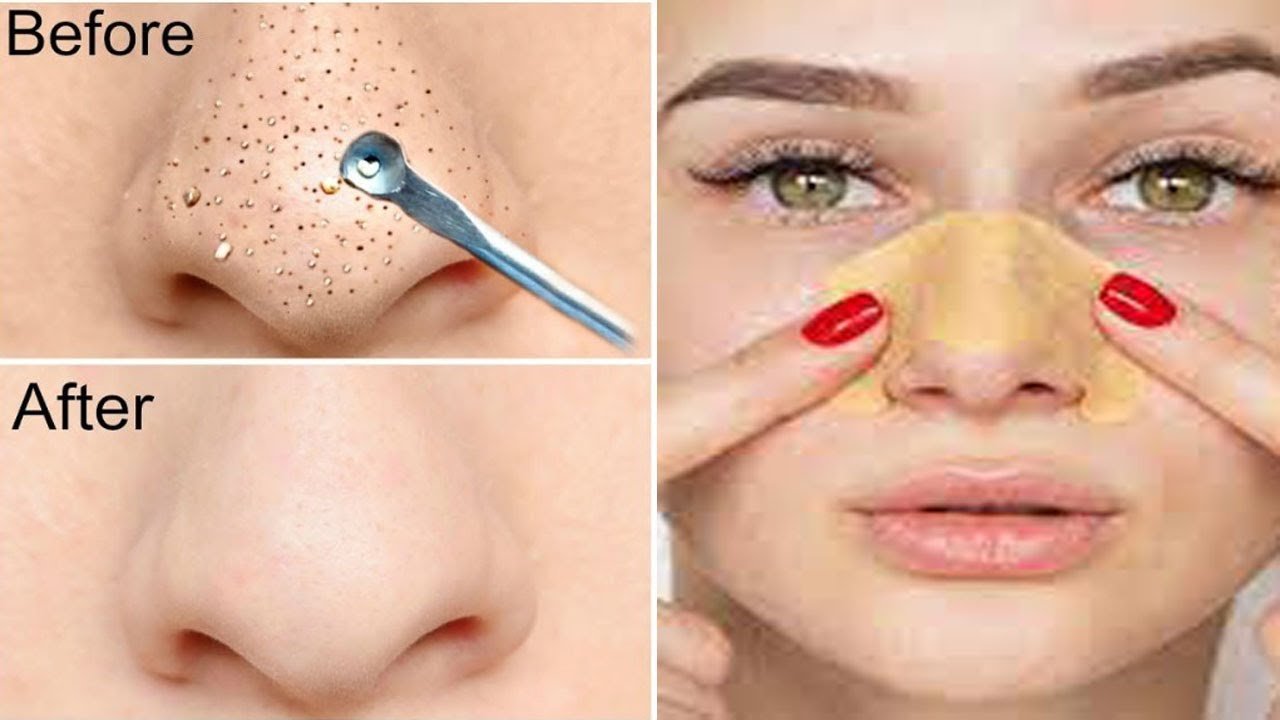
Blackheads are among the most common and stubborn skin issues faced by people of all ages. These small, dark bumps appear when pores become clogged with excess oil, dead skin cells, and other impurities. While there are various ways to address blackheads, the use of a blackhead clearing tool has become increasingly popular for those seeking precise, effective, and immediate results. In this article, we’ll explore everything you need to know about blackhead clearing tools—what they are, how they work, their benefits and risks, how to use them safely, and tips for keeping your skin clear and healthy.
Understanding Blackheads: What Are They?
Before delving into blackhead clearing tools, it’s essential to understand what blackheads are and why they form. Blackheads, or open comedones, develop when hair follicles (pores) become clogged with oil (sebum), dead skin cells, and sometimes bacteria. Unlike whiteheads, blackheads are open at the surface, causing the trapped debris to oxidize and turn black or dark brown. They are most commonly found on the nose, chin, forehead, and sometimes on the back and chest.
What is a Blackhead Clearing Tool?
A blackhead clearing tool—also known as a blackhead extractor, comedone extractor, or blemish remover—is a specialized skincare instrument designed to remove blackheads and other impurities from the pores safely and hygienically. The most common type of blackhead clearing tool is a stainless steel instrument with looped or spoon-shaped ends, though there are also versions with pointed or flat tips for different types of blemishes.
Types of Blackhead Clearing Tools:
- Loop Extractor: The most popular kind, featuring a small loop at one or both ends, ideal for pressing out blackheads.
- Lancet Extractor: One end has a sharp point or needle for gently pricking the surface of a stubborn blemish, while the other end has a loop for extraction.
- Spoon Extractor: Features a small, spoon-shaped end with a hole in the center, used to apply pressure around the blackhead.
Benefits of Using a Blackhead Clearing Tool
- Precision: Allows for targeted removal of individual blackheads without disturbing surrounding skin.
- Hygiene: When properly sterilized, these tools are more sanitary than using fingers, which can introduce bacteria.
- Minimized Damage: Reduces the risk of bruising or scarring compared to improper squeezing with nails.
- Immediate Results: Provides instant extraction, which is especially useful before special occasions or events.
- Cost-Effective: A one-time investment in a quality tool can save money on frequent salon visits or professional extractions.
Risks and Precautions
While blackhead clearing tools can be effective, improper use carries risks:
- Skin Damage: Excessive force or incorrect technique can bruise or break the skin, leading to scarring.
- Infection: Using unsterilized tools or extracting with dirty hands can introduce bacteria, causing inflammation or infection.
- Worsening Acne: Overuse or aggressive extraction can irritate pores, sometimes making acne worse.
- Broken Capillaries: Pressing too hard can damage tiny blood vessels under the skin, leading to red marks.
Tip: If you’re uncertain about using a blackhead clearing tool, consider consulting a dermatologist or licensed esthetician.
How to Use a Blackhead Clearing Tool Safely
Step 1: Gather Your Supplies
You’ll need:
- A quality stainless steel blackhead clearing tool
- Gentle facial cleanser
- Warm water or a facial steamer
- Antiseptic or rubbing alcohol
- Clean tissues or cotton pads
- Moisturizer
Step 2: Cleanse Your Face
Begin by washing your face with a mild cleanser to remove surface oil, dirt, and makeup. Pat your skin dry with a clean towel.
Step 3: Open Up Your Pores
Softening the skin and opening up the pores makes blackhead extraction easier and less traumatic. You can do this by:
- Steaming your face over a bowl of hot water for 5–10 minutes (cover your head with a towel to trap the steam)
- Applying a warm, damp towel to the area for a few minutes
Step 4: Sterilize the Tool
Disinfect the blackhead clearing tool with rubbing alcohol before and after each use to prevent infection.
Step 5: Extraction
- Position the Loop: Place the loop of the tool over the blackhead, centering it.
- Apply Gentle Pressure: Press down gently and evenly. The blackhead should release through the center of the loop.
- Wipe Away Debris: Use a clean tissue or cotton pad to wipe away any extracted material.
- Repeat if Needed: Only extract blackheads that come out easily. Avoid forcing or digging into the skin.
Step 6: Aftercare
- Cleanse Again: Wash your face gently to remove any residue.
- Disinfect the Tool: Clean the tool with alcohol.
- Soothe the Skin: Apply a soothing toner, mild antiseptic, or aloe vera gel to calm any redness.
- Moisturize: Finish with a light, non-comedogenic moisturizer.
Tips for Optimal Results
- Limit Frequency: Use the blackhead clearing tool no more than once a week to avoid irritation.
- Know When to Stop: If a blackhead doesn’t come out easily, leave it for another time.
- Keep the Tool Sharp: Replace or sharpen your tool if the edges become dull.
- Maintain Hygiene: Always clean your hands and tool thoroughly before and after use.
- Combine With Good Skincare Habits: Regular exfoliation and cleansing helps minimize blackhead formation.
Alternatives to Blackhead Clearing Tools
If you’re hesitant to use an extractor, consider these alternatives:
- Chemical Exfoliants: Products with salicylic acid or glycolic acid can help dissolve pore-clogging debris.
- Clay Masks: Absorb excess oil and help draw out impurities.
- Pore Strips: Temporarily remove blackheads from the surface, but may not be as thorough as extraction.
- Professional Facials: Licensed estheticians use sterile tools and expert techniques for safe extraction.
Choosing the Right Blackhead Clearing Tool
When selecting a tool, look for:
- Material: Stainless steel is best for durability and easy sterilization.
- Design: Choose a tool with secure, comfortable grips and the right loop size for your skin needs.
- Quality: Avoid cheap, poorly made tools that can bend or break during use.
- Brand Reputation: Opt for reputable skincare brands or tools recommended by dermatologists.
Frequently Asked Questions
Q: Are blackhead clearing tools suitable for all skin types?
A: Most people can use them, but those with sensitive, inflamed, or acne-prone skin should use extra caution or consult a dermatologist first.
Q: Can blackhead clearing tools be used on whiteheads or pimples?
A: Some tools have pointed ends for whiteheads, but never force extraction. Inflamed pimples are best left alone to avoid scarring.
Q: How often can I use a blackhead clearing tool?
A: Once a week is generally safe, but frequency depends on your skin’s tolerance.
Conclusion
Blackhead clearing tools provide an effective, affordable way to remove stubborn blackheads and maintain clear skin when used correctly. The keys to success are gentle technique, proper hygiene, and combining extractions with a solid skincare routine. While these tools can be a valuable addition to your beauty arsenal, always respect your skin’s limits and seek professional advice if you’re unsure. With the right knowledge and care, you can achieve smoother, healthier skin and keep blackheads at bay.
Leave a Reply