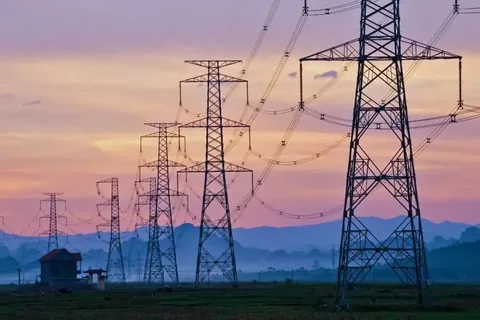
Grid reliability has become a central concern for energy policymakers, utility operators, and the public in recent years. As extreme weather events, the transition to renewable energy, and the electrification of transportation place new demands on the power grid, ensuring a reliable supply of electricity is more important than ever. Today’s grid reliability news reflects a dynamic landscape marked by innovation, investment, and ongoing challenges. This article examines the latest developments in grid reliability, highlights key trends, and considers what lies ahead for power systems worldwide.
The Importance of Grid Reliability
Grid reliability refers to the ability of the power system to deliver electricity consistently and withstand unexpected disruptions. A reliable grid is essential for economic stability, public safety, and technological progress. Power outages can disrupt everything from hospitals to manufacturing plants, causing economic losses and endangering lives. As the grid evolves, so too must the strategies for maintaining and improving its resilience.
Recent News Highlights in Grid Reliability
1. Extreme Weather Challenges
In 2026, extreme weather events continue to test the limits of grid reliability. Heatwaves, wildfires, hurricanes, and winter storms have all caused widespread power outages in recent years. News outlets are reporting on the increasing frequency and severity of these events, highlighting the need for robust infrastructure and rapid response systems.
- In the United States, the Department of Energy (DOE) has issued new guidelines for utilities to harden infrastructure against hurricanes and wildfires.
- In Europe, record-breaking heatwaves are leading to new investments in grid cooling technologies and demand response programs.
- In Asia, typhoons and flooding have prompted governments to prioritize grid modernization and emergency planning.
2. Renewable Energy Integration
The global shift toward renewable energy—such as solar, wind, and hydropower—presents both opportunities and challenges for grid reliability. While renewables are essential for decarbonizing the power sector, their variable output can strain grid stability.
- News today covers advances in grid-scale battery storage, which helps manage fluctuations in renewable generation.
- Several countries are piloting virtual power plants (VPPs) that aggregate distributed energy resources for better grid management.
- Grid operators are investing in forecasting tools and artificial intelligence to predict and balance supply and demand in real-time.
3. Grid Modernization Initiatives
Modernizing the electric grid is a top priority for many governments and utilities. Smart grid technologies enable real-time monitoring, automated controls, and faster restoration after outages.
- The U.S. is rolling out advanced metering infrastructure and grid sensors as part of a nationwide reliability initiative.
- The European Union has launched the “Digital Grid 2030” program, aiming to digitize and interconnect regional grids.
- In India and Africa, investments in microgrids and off-grid solutions are expanding access while improving reliability in remote or underserved areas.
4. Cybersecurity and Grid Protection
With increasing digitization comes greater vulnerability to cyberattacks. Recent news stories have highlighted attempted and successful cyber intrusions targeting critical grid infrastructure.
- Utility companies are boosting cybersecurity budgets and collaborating with government agencies to defend against emerging threats.
- The International Energy Agency (IEA) has called for global standards and information-sharing to address the growing risk of cyber sabotage.
5. Regulatory and Policy Developments
Policymakers are responding to grid reliability challenges with new regulations and incentives.
- In the U.S., the Federal Energy Regulatory Commission (FERC) has updated reliability standards to require more frequent testing and reporting.
- New performance-based incentives are being introduced for utilities that meet or exceed reliability targets.
- Globally, there is a push for harmonized standards to facilitate cross-border electricity trade and mutual support during emergencies.
Key Trends in Grid Reliability
Distributed Energy Resources (DERs)
DERs, such as rooftop solar panels, home batteries, and electric vehicles, are playing an increasingly vital role in grid reliability. By decentralizing power generation and storage, DERs can provide backup power and reduce strain during peak demand.
Demand Response and Flexibility
Utilities are turning to demand response programs, where consumers are incentivized to shift or reduce their electricity use during critical periods. Smart devices, time-of-use rates, and real-time alerts are empowering customers to participate in grid reliability efforts.
Climate Adaptation and Resilience Planning
Grid operators and policymakers are investing in infrastructure upgrades and scenario planning to prepare for the impacts of climate change. This includes elevating substations above flood levels, reinforcing transmission lines, and developing disaster recovery protocols.
Reliability Metrics and Transparency
There is growing demand for transparent reporting of reliability metrics, such as System Average Interruption Duration Index (SAIDI) and System Average Interruption Frequency Index (SAIFI). Regulators are requiring utilities to publish outage data and improvement plans.
Challenges Ahead
Maintaining grid reliability in the face of rapid change is not without challenges:
- Aging Infrastructure: Many grids are operating with decades-old equipment, increasing the risk of failures.
- Integration of New Technologies: Incorporating renewables, batteries, and smart devices requires complex coordination and new skill sets.
- Cyber and Physical Security: Protecting the grid from cyberattacks and physical threats is an ongoing battle.
- Regulatory Uncertainty: Varying standards and rules across regions can complicate efforts to modernize and interconnect grids.
Future Outlook
Looking ahead, grid reliability will depend on continued investment, innovation, and collaboration. Key areas of focus include:
- Expanding transmission capacity to connect renewable resources with demand centers.
- Developing advanced forecasting and automation tools for real-time grid management.
- Fostering regional and international cooperation to share resources and expertise.
- Empowering consumers to play a more active role in supporting grid stability.
Conclusion
Grid reliability is at the heart of a sustainable, resilient, and modern energy future. Today’s news underscores the urgency of addressing both immediate threats and long-term challenges. By embracing new technologies, strengthening regulations, and fostering collaboration across sectors and borders, power systems can rise to meet the demands of the 21st century—keeping the lights on, no matter what the future holds.
Leave a Reply