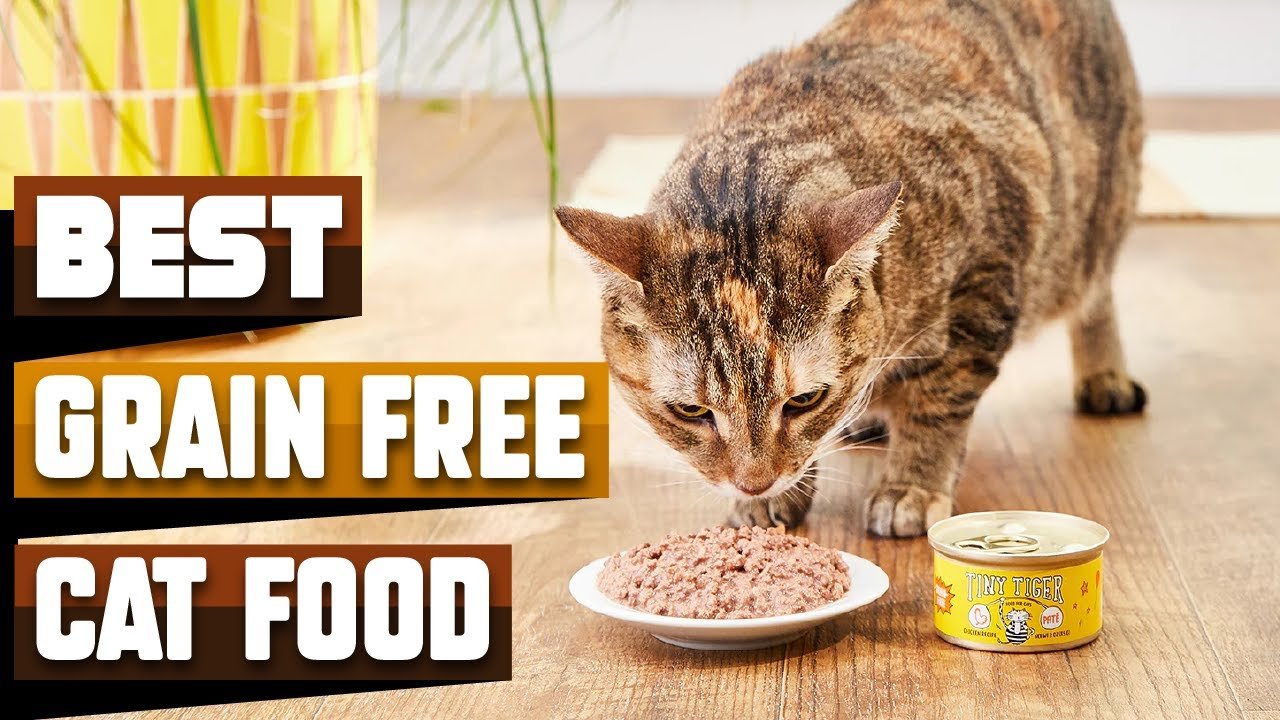
Cats have long been cherished companions, valued for their independence, affection, and sometimes mysterious ways. As pet nutrition science evolves, more cat owners are reevaluating what goes into their pets’ bowls. One of the most prominent trends in recent years is grain free cat food—a dietary option that promises to align more closely with a cat’s natural eating habits. But what is grain free cat food, and is it the best choice for your furry friend? This article will explore the ins and outs of grain free cat food, helping you make an informed decision for your pet’s health.
What Is Grain Free Cat Food?
Grain free cat food is formulated without grains such as corn, wheat, rice, barley, or oats. Instead, these recipes use alternative carbohydrate sources like potatoes, peas, lentils, chickpeas, or sweet potatoes. Protein sources remain similar—chicken, fish, beef, turkey, and eggs are common ingredients.
The idea behind grain free cat food is that cats, as obligate carnivores, have evolved to thrive on diets rich in animal proteins and fats, not grains. While cats in the wild eat primarily meat, commercial cat food has historically relied on grains as fillers and carbohydrate sources. Grain free formulas attempt to mimic a more “natural” diet, focusing on meat and non-grain ingredients.
Why Do Some Owners Choose Grain Free Cat Food?
1. Food Sensitivities and Allergies
Some cats are sensitive or allergic to certain grains, particularly corn or wheat. Symptoms may include skin irritation, excessive scratching, hair loss, digestive upset, or chronic ear infections. Grain free diets can help eliminate these triggers.
2. Digestive Health
Cats’ digestive systems are designed to process animal proteins and fats, not complex carbohydrates. Some owners believe grain free food is easier for cats to digest, especially those with sensitive stomachs.
3. Weight Management
Grain free foods often have higher protein and lower carbohydrate content, which can support lean muscle mass and help manage weight, especially in overweight or sedentary cats.
4. Mimicking a Natural Diet
Many owners prefer to feed their cats a diet closer to what felines would eat in the wild. A grain free formula prioritizes meat, which can appeal to this philosophy.
Benefits of Grain Free Cat Food
1. High-Quality Protein
Grain free foods often feature real meat as the first ingredient, providing the essential amino acids cats need for healthy muscles, skin, and coat.
2. Fewer Fillers
Removing grains means less reliance on cheap fillers, resulting in a more nutrient-dense meal.
3. Improved Skin and Coat
Many cat owners report shinier coats, reduced shedding, and healthier skin after switching to grain free formulas.
4. Potential Allergy Relief
Cats with grain sensitivities may experience relief from chronic itching, digestive problems, and inflammation.
5. Better Energy and Weight Control
A higher protein, lower carbohydrate diet can help cats maintain optimal weight and energy levels.
Are There Any Drawbacks?
1. Not All Cats Need Grain Free Food
Most cats tolerate grains well, and grain allergies are rare. Eliminating grains without a medical reason may not provide additional health benefits.
2. Carbohydrate Substitutes
Grain free foods often use potatoes or legumes as substitutes. Some research suggests these ingredients, especially in high amounts, may contribute to health issues like obesity or diabetes.
3. Cost
Grain free cat food tends to be more expensive, due to higher meat content and specialty ingredients.
4. Heart Health Concerns
Recent studies have linked some grain free pet foods, particularly those high in legumes, to cases of dilated cardiomyopathy (DCM) in dogs. While this link is less established in cats, it’s important to choose well-researched brands with balanced nutrition.
5. Marketing Hype
Not all grain free foods are created equal. Some brands rely on marketing rather than nutrition science, so it’s critical to scrutinize ingredient lists and nutritional content.
How to Choose the Best Grain Free Cat Food
-
Read the Ingredient List: Look for real meat as the first ingredient, and avoid foods with excessive amounts of potatoes or peas.
-
Check for Complete Nutrition: Ensure the food meets AAFCO (Association of American Feed Control Officials) standards for a complete and balanced diet.
-
Avoid Artificial Additives: Steer clear of foods with artificial colors, flavors, or preservatives.
-
Consider Your Cat’s Age and Health: Kittens, adults, and seniors have different nutritional needs. Some cats require special diets for kidney health, urinary health, or weight management.
-
Consult Your Veterinarian: Before switching to grain free, ask your vet for advice based on your cat’s medical history.
Transitioning Your Cat to Grain Free Food
Cats are creatures of habit, and sudden changes in their diet can cause digestive upset. Here’s how to transition smoothly:
- Mix Gradually: Start by mixing a small amount of grain free food with your cat’s current food. Increase the proportion over 7–10 days.
- Monitor Your Cat: Watch for changes in appetite, stool quality, skin, and coat.
- Be Patient: Some cats resist new flavors or textures. Try different brands or formulas if needed.
Homemade and Raw Grain Free Diets
Some owners opt for homemade or raw grain free diets. While these can provide high-quality nutrition, they require careful planning to avoid deficiencies. Always consult a veterinarian or pet nutritionist before preparing homemade meals for your cat.
Frequently Asked Questions
Is grain free cat food always better?
Not necessarily. Cats with grain allergies or sensitivities can benefit, but most cats tolerate grains well. The quality of ingredients and overall nutrition matter more than grain content.
Can kittens eat grain free food?
Yes, as long as it’s formulated for kittens and meets their nutritional needs. Kittens require more protein, fat, and certain vitamins than adults.
Is grain free food linked to health risks?
Some grain free pet foods have been linked to heart problems in dogs, but evidence for cats is limited. Choose reputable brands and consult your vet.
Top Grain Free Cat Food Brands
- Blue Buffalo Wilderness
- Wellness CORE
- Merrick Grain Free
- Natural Balance
- Instinct by Nature’s Variety
- Nutro Grain Free
Check reviews, ingredient lists, and ensure the brand meets AAFCO guidelines.
Conclusion: Is Grain Free Cat Food Right for Your Cat?
Grain free cat food offers benefits for some cats, especially those with allergies or sensitivities, or for owners who prefer a diet closer to a feline’s natural prey. It’s important to remember, however, that grain free does not automatically equal healthier. The best cat food is one that provides complete, balanced nutrition and suits your cat’s age, lifestyle, and health needs.
Before switching, consult your veterinarian and monitor your cat’s response. With careful selection and gradual transition, grain free cat food can be a positive choice—helping your companion thrive for years to come.
Leave a Reply