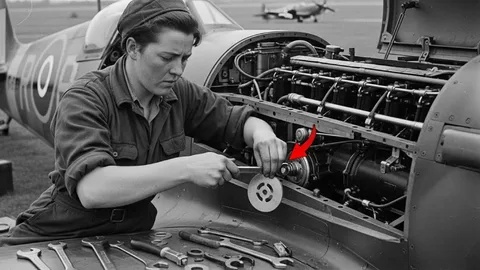
When we think about air travel, our minds often jump to images of powerful jet engines, sleek wings, or the marvel of flight itself. However, behind the scenes, countless components work together to ensure every flight is smooth, safe, and comfortable. Among these, airline springs play a crucial yet often overlooked role in virtually every aspect of modern aircraft. From landing gear shock absorption to seat comfort and advanced flight controls, springs are the unsung heroes of aviation engineering. This article explores the significance, types, applications, and latest innovations in airline springs, highlighting why they are vital to the aviation industry.
What Are Airline Springs?
Airline springs are specialized mechanical devices designed to store, release, and manage energy through elastic deformation. In the context of aviation, these springs are engineered to withstand extreme loads, temperature fluctuations, and harsh operating environments. They are found in critical systems throughout commercial, cargo, and military aircraft, contributing to both functionality and safety.
Types of Springs Used in the Airline Industry
There are several types of springs used in aviation, each tailored for specific functions. The main categories include:
-
Compression Springs:
- Absorb and store energy when compressed.
- Commonly used in landing gear and shock absorber systems.
-
Tension (Extension) Springs:
- Designed to resist pulling forces.
- Employed in cargo doors, emergency systems, and control linkages.
-
Torsion Springs:
- Work by twisting rather than compressing or extending.
- Integral for flight control surfaces, seat recline mechanisms, and hatches.
-
Leaf Springs:
- Flat, flexible springs used in some landing gear and suspension systems.
-
Gas Springs:
- Use compressed gas to provide force and dampening.
- Popular in overhead bins, doors, and adjustable seats.
Critical Applications of Airline Springs
1. Landing Gear Shock Absorption
The landing gear is one of the most stressed components on an aircraft, especially during takeoff and landing. Heavy-duty compression springs are integrated into shock absorbers (often called oleo struts), where they work alongside hydraulic fluids to absorb impact, reduce vibration, and protect the airframe from damage. This ensures that each landing is as smooth and safe as possible.
2. Aircraft Seating Systems
Passenger comfort is a top priority for airlines. Springs are used in seat cushions, recline mechanisms, tray tables, and armrests. Advanced seat designs often feature a combination of coil and gas springs to provide ergonomic support and adjustable features, making long flights more pleasant for travelers.
3. Flight Control Surfaces
Ailerons, rudders, and elevators rely on torsion and tension springs for precise movement and automatic return to neutral positions. These springs ensure responsive handling and contribute to the safety and maneuverability of the aircraft.
4. Cargo Door and Overhead Bin Mechanisms
Large tension and gas springs are used to assist in opening, closing, and securely locking cargo doors and overhead bins. This not only provides ease of operation for crew and passengers but also ensures safety by maintaining secure latching during flight.
5. Emergency Systems
Springs play a critical role in emergency slides, oxygen masks, and door deployment mechanisms. They are engineered for reliability, ensuring that emergency equipment functions instantly and effectively when needed most.
Engineering Requirements and Challenges
Designing springs for the airline industry is a complex challenge. Key engineering requirements include:
- High Strength-to-Weight Ratio: Every gram matters in aviation. Springs must be strong enough to handle significant loads while remaining lightweight.
- Corrosion Resistance: Aircraft operate in diverse climates and altitudes, exposing components to humidity, salt, and temperature extremes. Most airline springs are made from stainless steel, titanium, or advanced alloys with anti-corrosive coatings.
- Fatigue Resistance: Springs must endure millions of cycles without losing their properties, especially in high-use applications like landing gear or flight controls.
- Precision Manufacturing: Tolerances are extremely tight. Even minor defects can compromise safety and reliability.
Innovations and Trends in Airline Springs
As aircraft technology advances, so do the demands on spring performance. Recent developments in the field include:
- Advanced Materials: The use of high-strength alloys, composites, and surface treatments has led to lighter, more durable springs that can handle higher stress loads.
- Smart Springs: Integration of sensors within springs enables real-time monitoring of stress, fatigue, and performance, supporting predictive maintenance and reducing the risk of in-flight failures.
- Additive Manufacturing (3D Printing): Custom-designed springs can now be produced rapidly with complex geometries that were previously impossible, allowing for greater innovation and faster prototyping.
- Improved Damping Technologies: Modern springs often work in tandem with advanced dampers to further reduce vibration and noise, enhancing passenger comfort and airframe longevity.
Airline Springs and Sustainability
Environmental concerns are driving airlines and manufacturers to seek lighter, more efficient components. Lighter springs contribute directly to fuel savings by reducing overall aircraft weight. Innovations in recyclable materials and manufacturing processes also minimize the environmental footprint of spring production.
The Role of Certification and Quality Control
Aviation is one of the most regulated industries in the world. Springs used in aircraft must comply with strict standards set by organizations like the FAA (Federal Aviation Administration) and EASA (European Union Aviation Safety Agency). Rigorous testing, including stress analysis, fatigue testing, and corrosion resistance trials, ensures that every spring meets or exceeds safety requirements before being installed in an aircraft.
Choosing a Supplier for Airline Springs
Airlines and manufacturers must partner with reputable spring suppliers who understand the unique demands of aerospace engineering. Key considerations when choosing a supplier include:
- Aerospace Certification: Ensure the supplier is certified to supply parts for the aviation industry.
- Customization Capabilities: The ability to design and manufacture bespoke springs for specific applications is essential.
- Track Record: Look for suppliers with proven experience and testimonials from major airlines or OEMs.
- After-Sales Support: Ongoing support for maintenance, replacement, and upgrades is crucial for long-term reliability.
The Future of Airline Springs
As the aviation industry looks towards electric and hybrid aircraft, urban air mobility, and even space travel, the demand for advanced spring technology will only increase. Expect to see further integration of digital monitoring, smarter materials, and ultra-lightweight designs in the next generation of airline springs. Their role may remain behind the scenes, but their impact will be felt in every safer, smoother, and more efficient flight.
Conclusion
Airline springs may not grab headlines, but their importance cannot be overstated. These small yet mighty components are essential for aircraft safety, comfort, and efficiency. As technology continues to evolve, so too will the humble spring—quietly powering the future of flight and ensuring that every journey through the skies is as safe and comfortable as possible.
Leave a Reply