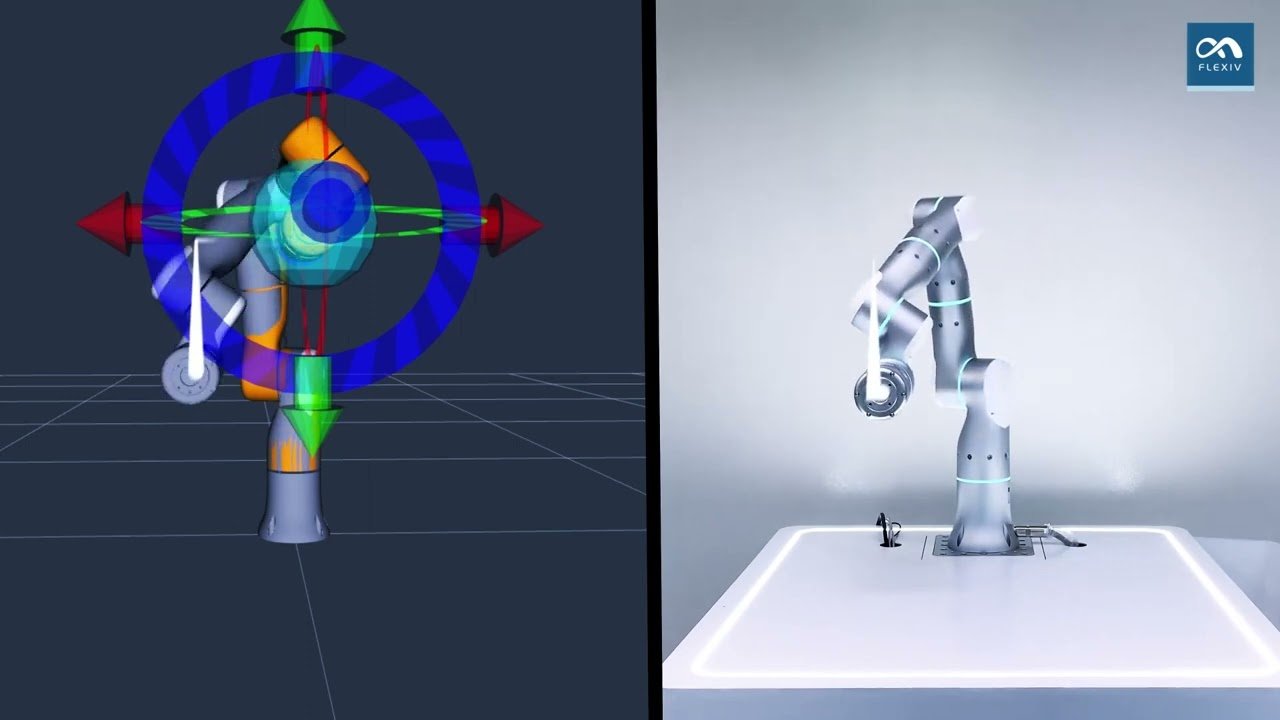
The robotics industry has experienced a seismic shift over the past decade, and at the heart of this transformation is Robot Operating System 2 (ROS 2). As a powerful, open-source middleware platform, ROS 2 continues to shape the landscape of robotics development, enabling researchers, engineers, and companies to build robust, flexible, and scalable robotic systems. In this comprehensive article, we’ll dive into the latest ROS 2 news, explore key innovations, and examine why ROS 2 remains at the center of today’s robotics revolution.
A Brief Overview: What is ROS 2?
ROS 2 is the successor to the original Robot Operating System (ROS), designed to address the growing needs and challenges of the modern robotics ecosystem. While ROS 1 laid the foundation for open collaboration in robotics software, ROS 2 introduces features such as real-time capabilities, enhanced security, improved middleware abstraction, and robust support for multi-robot systems.
Key features of ROS 2 include:
- DDS-based Communication: Distributed Data Service (DDS) underpins ROS 2’s communication, ensuring scalability and reliability across large, distributed systems.
- Cross-Platform Support: ROS 2 runs on Linux, Windows, and macOS, broadening its adoption beyond traditional Linux-centric robotics.
- Security Improvements: ROS 2 introduces security plugins and tools to help protect robotic systems from increasingly sophisticated cyber threats.
- Real-Time Capabilities: With a focus on deterministic operations, ROS 2 is more suited for safety-critical and industrial applications.
Latest ROS 2 News and Updates
1. ROS 2 Jazzy Jalisco Release
One of the biggest headlines today is the recent release of ROS 2 Jazzy Jalisco, the latest long-term support (LTS) distribution. Jazzy Jalisco builds upon the strengths of previous releases, offering even more stability, updated APIs, and extensive documentation. Some notable features include:
- Improved quality-of-service (QoS) profiles for fine-tuned communications
- Expanded support for real-time safety-critical applications
- Enhanced developer tools, such as improved debugging and simulation integration
- Better documentation, making onboarding easier for new users
2. ROS 2 in Edge and Cloud Robotics
Today, ROS 2 is not just for embedded robots—it’s playing a growing role in edge and cloud robotics. Major cloud providers have rolled out ROS 2-compatible services for simulation, remote fleet management, and AI integration. This trend significantly lowers the barrier for startups and researchers who want to experiment at scale without large investments in physical hardware.
3. Community Growth and Industry Adoption
The ROS 2 ecosystem is thriving. According to the latest statistics, the ROS 2 user base has doubled over the past two years. Companies in autonomous vehicles, warehouse automation, drones, and healthcare robotics are standardizing on ROS 2 for their software architecture. Today, major players like Amazon, Bosch, and NVIDIA contribute to ROS 2’s open-source code base, accelerating innovation and ensuring long-term support.
Key Innovations in ROS 2
1. Real-Time Robotics
ROS 2’s real-time capabilities are among its most significant advancements. By utilizing DDS and real-time operating system support, ROS 2 enables deterministic message passing, crucial for applications such as autonomous driving, surgical robots, and industrial automation. Recent news highlights the increasing adoption of real-time ROS 2 in safety-critical sectors.
2. Security Enhancements
With the increasing deployment of robots in public spaces, security is paramount. ROS 2’s security model, based on SROS2, allows for encrypted communication, authentication, and fine-grained access control. Today’s robotics developers are leveraging these tools to comply with emerging regulations and prevent cyberattacks on autonomous systems.
3. Better Simulation and Testing Tools
Simulation is a core part of modern robotics development. ROS 2 integrates seamlessly with simulation platforms like Gazebo and Ignition, allowing developers to test algorithms in virtual environments before deploying to real robots. Recent updates include faster simulation times, improved physics engines, and richer sensor models.
Today’s ROS 2 Use Cases: Real-World Impact
1. Autonomous Vehicles
ROS 2 powers the brains behind many autonomous vehicle projects. Its modular design and robust middleware are ideal for integrating perception, planning, and control subsystems. Recent news from automotive startups and established companies alike highlights the adoption of ROS 2 as a standard for rapid prototyping and deployment.
2. Warehouse and Logistics Automation
Today’s warehouses are becoming smarter and more efficient thanks to robots powered by ROS 2. From mobile robots that move goods to robotic arms that handle sorting, ROS 2’s real-time and multi-robot capabilities are driving the next generation of logistics automation.
3. Healthcare Robotics
In the healthcare sector, ROS 2 is enabling the development of surgical robots, patient-assistive devices, and telepresence platforms. Recent breakthroughs involve integration with AI for diagnostics and patient interaction, all built atop the flexible ROS 2 framework.
The ROS 2 Community: Collaboration and Events
The global ROS 2 community is highly active, with regular news, events, and collaborative projects. Notable recent events include:
- The annual ROSCon conference, where developers share the latest research and case studies
- Hackathons focused on robotics education and open-source contributions
- The launch of new ROS 2 working groups focusing on AI, security, and industrial applications
The community’s spirit of open collaboration ensures that ROS 2 remains responsive to the evolving needs of robotics developers worldwide.
Getting Started with ROS 2 Today
For those looking to get involved, today is a great time to join the ROS 2 ecosystem. The official ROS 2 website offers extensive tutorials, documentation, and community forums. Modern package management tools, Docker containers, and cloud-hosted development environments have made it easier than ever to start building with ROS 2.
The Future of ROS 2: What’s Next?
Looking ahead, the ROS 2 roadmap promises even more exciting news. Areas of focus include:
- Greater integration with AI and machine learning
- Improved cross-platform real-time performance
- Enhanced support for swarming and multi-robot coordination
- Tighter integration with cloud robotics and edge computing
With a vibrant community and backing from industry leaders, ROS 2 is set to remain the backbone of modern robotics development for years to come.
Conclusion
The news surrounding ROS 2 today highlights its pivotal role in advancing robotics technology across industries. Whether it’s powering autonomous vehicles, enabling healthcare innovations, or driving warehouse automation, ROS 2 is at the center of a rapidly evolving robotics ecosystem. With each new release and community initiative, ROS 2 reaffirms its status as the go-to platform for building the robots of tomorrow.
Leave a Reply