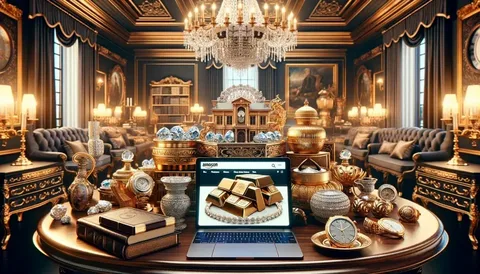
When most people think of Amazon, affordable electronics, best-selling books, and practical household items come to mind. Yet, hidden among the millions of listings are objects whose price tags soar into the tens or even hundreds of thousands of dollars—sometimes even more. These ultra-expensive items on Amazon often spark curiosity: What is the most expensive thing on Amazon? Who buys such items? And why do sellers list them on a platform known for everyday convenience?
This article delves into the phenomenon of luxury and high-priced listings on Amazon, examines some of the most expensive things offered, investigates the reasons behind these listings, and explores what they reveal about the evolution of e-commerce.
What Is the Most Expensive Thing on Amazon?
A Moving Target
The title of “most expensive thing on Amazon” is a moving target, as new listings appear and old ones disappear. As of 2026, a search for the highest-priced items on the U.S. Amazon marketplace reveals a fascinating and eclectic array of products, including:
- Luxury Watches: Prestigious brands like Patek Philippe, Audemars Piguet, and Rolex are listed for upwards of $250,000 to $500,000.
- High-End Jewelry: Diamond necklaces, engagement rings, and rare gemstones sometimes top $1 million.
- Rare Collectibles: Autographed memorabilia, rare coins, or even vintage comic books with eye-popping prices.
- Industrial Equipment: Some commercial machinery, 3D printers, or medical devices are listed for $200,000 or more.
- Real Estate & Vehicles: Occasionally, listings for tiny homes, yachts, or classic cars appear, priced in the hundreds of thousands.
- Musical Instruments: Grand pianos, rare guitars, and antique violins can also command six-figure sums.
While these are genuine products, Amazon’s policies require that all listings—no matter how extravagant—comply with its terms of service and verification protocols.
Notable Examples of Amazon’s Most Expensive Items
To illustrate what’s possible, here are some real-world examples (prices and availability may fluctuate):
1. Million-Dollar Jewelry
- “18k White Gold Diamond Necklace”: Some high-end jewelry stores list ornate, diamond-encrusted necklaces for over $1 million. These pieces rival what you’d find at luxury boutiques on Rodeo Drive or Fifth Avenue.
- “Certified 10-Carat Diamond Ring”: A single, flawless diamond ring can fetch $800,000 or more, complete with original certification and luxury packaging.
2. Luxury Watches
- “Patek Philippe Grand Complications”: Some models are listed on Amazon for $400,000–$600,000, often on behalf of authorized dealers.
- “Audemars Piguet Royal Oak Offshore Chronograph”: Available for upwards of $300,000, these watches are status symbols in the world of luxury timepieces.
3. Rare Collectibles & Art
- “First-Edition Comic Books”: Collectors sometimes list rare, graded comics, such as early Superman or Batman issues, for hundreds of thousands.
- “Autographed Sports Memorabilia”: Signed baseballs, jerseys, or even championship trophies can appear with five- or six-figure price tags.
4. High-Tech Industrial Equipment
- “3D Metal Printers”: Advanced additive manufacturing machines for industrial use can be listed at $250,000 or higher.
- “Medical Imaging Devices”: Portable MRI or CT scanners, intended for clinics and hospitals, can cost over $200,000.
5. Vehicles & Real Estate
While not common, there have been listings for:
- Tiny homes or prefabricated houses for $100,000–$500,000.
- Luxury yachts or classic cars (though these are often subject to shipping and verification restrictions).
Why Do Sellers List Ultra-Expensive Items on Amazon?
1. Reach and Visibility
Amazon is the world’s largest online marketplace, with hundreds of millions of active users. Listing luxury goods or specialized equipment exposes them to a global audience far broader than traditional specialty dealers could reach.
2. E-Commerce for All Tiers
Amazon’s infrastructure is designed for everything from $5 phone cases to $500,000 watches, making it an accessible platform for any seller—provided they comply with Amazon’s requirements for listing, fulfillment, and customer verification.
3. Trust and Security
Amazon’s reputation for secure transactions and customer service gives buyers additional confidence, even when spending large sums. Features like Amazon’s A-to-Z Guarantee, verified sellers, and escrow-like payment systems help facilitate high-value transactions.
4. Marketing and Publicity
Listing an ultra-expensive item on Amazon can generate buzz, both within the platform and in wider media coverage. Sometimes, sellers use these listings as a marketing strategy to draw attention to their brand or to drive traffic to their boutique storefronts.
Who Buys the Most Expensive Things on Amazon?
1. High-Net-Worth Individuals
Some buyers are collectors, investors, or enthusiasts seeking rare or luxury items. For them, Amazon is just another (and sometimes more convenient) marketplace.
2. Corporate and Institutional Buyers
Businesses and institutions may purchase high-value industrial equipment, medical devices, or office fixtures through Amazon’s business services, benefiting from bulk ordering, logistics, and invoicing.
3. Gift Shoppers
Special occasions such as weddings, anniversaries, or corporate milestones sometimes warrant extravagant purchases, and Amazon’s one-stop-shop nature makes logistics easier.
The Risks and Realities of High-Value Listings
1. Fraud and Verification
Amazon has strict policies for luxury and high-value items, including requirements for authentication, documentation, and in some cases, approval before listing. Sellers of fine jewelry, watches, or collectibles must provide proof of authenticity.
2. Logistics and Insurance
Shipping a million-dollar necklace or a $300,000 watch requires specialized logistics, insurance coverage, and sometimes personal delivery. Amazon may not always handle fulfillment for these items, requiring direct coordination between buyer and seller.
3. Returns and Customer Service
Handling returns, disputes, or service issues for ultra-expensive items is complex. Amazon’s policies provide some protection, but both buyers and sellers must navigate additional verification steps.
The Broader Implications: E-Commerce and Luxury
1. The Democratization of Luxury
The availability of ultra-expensive goods on Amazon reflects a broader trend: luxury is no longer confined to brick-and-mortar boutiques or auction houses. E-commerce is reshaping how luxury products are marketed, sold, and authenticated.
2. Platform Evolution
By hosting such diverse inventory, Amazon signals its ambition to be a marketplace for “everything”—from the everyday to the extraordinary. This diversity increases the platform’s appeal to all demographic segments.
3. Challenges for Authenticity and Experience
For luxury brands, selling on Amazon can be a double-edged sword. They gain access to vast audiences, but risk diluting their brand if not paired with proper authentication, presentation, and service.
4. Regulatory and Ethical Considerations
Regulators are increasingly scrutinizing the sale of high-value items online, from anti-money laundering (AML) controls to product safety and consumer protection. Amazon must continually adapt its policies to meet these standards.
Conclusion
The most expensive thing on Amazon changes frequently, but its presence underscores the platform’s reach, versatility, and the changing face of global commerce. From million-dollar jewelry to rare collectibles and high-tech equipment, Amazon’s marketplace is home to more than just bargains and bestsellers—it’s a window into the world of online luxury and rarity.
For buyers, the allure is convenience, choice, and security. For sellers, it’s reach, visibility, and the chance to tap into an ever-expanding digital economy. As e-commerce continues to evolve, the line between the ordinary and the extraordinary will blur even further—and Amazon will likely remain at the center of this transformation.
Leave a Reply