
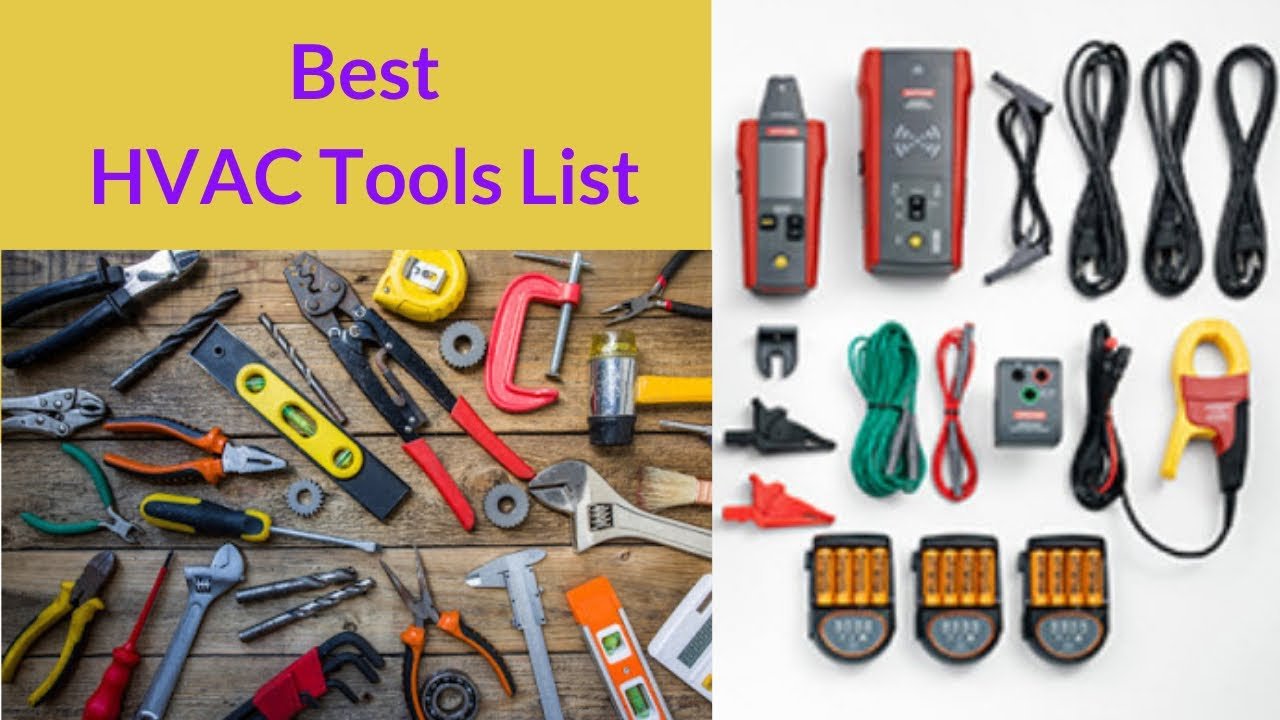
In the world of heating, ventilation, and air conditioning—better known as HVAC—the right tools are indispensable. Whether you’re a seasoned technician, a contractor, or a DIY enthusiast, having the proper HVAC tools can mean the difference between a smooth, efficient job and a frustrating, time-consuming ordeal. With HVAC systems becoming more advanced and critical in both residential and commercial settings, equipping yourself with the correct tools is more important than ever. This article explores the various types of HVAC tools, their purposes, and tips for building the ultimate HVAC toolkit.
What Are HVAC Tools?
HVAC tools are specialized instruments, devices, and equipment used to install, maintain, diagnose, and repair heating, ventilation, and air conditioning systems. These tools can range from simple hand tools to advanced electronic diagnostic devices. Their main purpose is to ensure the safety, efficiency, and reliability of HVAC systems, which are responsible for controlling the indoor temperature, air quality, and comfort in homes, offices, and industrial facilities.
Categories of HVAC Tools
HVAC tools can be broadly classified into the following categories:
1. Hand Tools
These are the everyday essentials found in any technician’s toolbox. They include:
- Screwdrivers (flathead and Phillips)
- Pliers (needle nose, linesman, channel lock)
- Adjustable wrenches and pipe wrenches
- Nut drivers
- Hammers and mallets
- Tape measures
2. Power Tools
Power tools make repetitive tasks faster and more efficient. Common examples include:
- Cordless drills and drivers
- Impact wrenches
- Reciprocating saws
- Angle grinders
3. Specialty HVAC Tools
These are specifically designed for HVAC work:
- Refrigerant gauges and manifolds
- Vacuum pumps
- Refrigerant recovery machines
- Leak detectors
- Flaring and swaging tools
- Tubing cutters and benders
4. Testing and Diagnostic Tools
These ensure systems are working at peak performance and help pinpoint issues:
- Digital multimeters
- Clamp meters
- Thermometers and hygrometers
- Combustion analyzers
- Airflow meters and anemometers
- Manometers
5. Safety Equipment
HVAC work involves potential hazards, so safety gear is crucial:
- Safety glasses or goggles
- Work gloves
- Respirators or masks
- Ear protection
- Insulated tools
Must-Have HVAC Tools for Every Technician
While the list of HVAC tools is extensive, there are several must-have items that form the backbone of any technician’s kit:
1. Refrigerant Gauges and Manifold Set
This tool is essential for charging and diagnosing air conditioning and refrigeration systems. It measures system pressure and helps ensure the correct refrigerant charge. Modern digital manifold gauges offer enhanced accuracy and additional features, such as Bluetooth connectivity for data logging.
2. Vacuum Pump
A vacuum pump is used to evacuate air and moisture from refrigerant lines prior to charging the system. This step is crucial to prevent contamination and ensure the system runs efficiently and reliably.
3. Digital Multimeter
A digital multimeter measures electrical values such as voltage, current, and resistance. It is invaluable for diagnosing electrical problems in HVAC systems, including faulty thermostats, blown fuses, or malfunctioning motors.
4. Leak Detector
Refrigerant leaks can lead to system inefficiency and environmental harm. Electronic leak detectors help locate and repair leaks quickly, which is both a regulatory requirement and a best practice for system longevity.
5. Tubing Cutter and Bender
HVAC systems often require custom-length copper tubing. Tubing cutters provide clean, burr-free cuts, while benders allow for precise shaping without collapsing the tube.
6. Cordless Drill
A cordless drill is a versatile tool used for drilling holes, driving screws, and fastening panels. With the variety of attachments and bits available, it’s a universal must-have for any HVAC job.
7. Thermometer and Hygrometer
Accurate temperature and humidity readings are essential for diagnosing system performance and ensuring client comfort. Digital thermometers and hygrometers provide quick, reliable readings.
8. Manometer
A manometer measures gas pressure in heating systems, ensuring safe and efficient operation of furnaces and boilers.
Advanced HVAC Tools for Professionals
As HVAC technology advances, so does the need for more sophisticated tools. Some advanced tools include:
1. Smart Probes and Wireless Sensors
Smart probes can monitor temperature and pressure wirelessly, allowing technicians to view system data on a smartphone or tablet, log results, and share reports with clients.
2. Combustion Analyzer
Used in heating systems, this tool measures gases like oxygen, carbon monoxide, and carbon dioxide, ensuring combustion is safe and efficient.
3. Infrared Camera
Thermal imaging cameras can detect heat loss, airflow issues, or electrical hot spots in HVAC systems, making them valuable for diagnostics and energy audits.
4. Refrigerant Recovery Machine
When removing refrigerant from a system, this tool safely recovers and stores the gas, meeting environmental regulations and preventing atmospheric release.
Tips for Building and Maintaining Your HVAC Tool Kit
-
Invest in Quality: High-quality tools last longer, perform better, and are safer to use. Opt for reputable brands and check for features like ergonomic grips and durable materials.
-
Stay Organized: Use a sturdy tool bag or box with compartments to keep tools organized and easily accessible. This minimizes downtime on the job.
-
Regular Maintenance: Clean, calibrate, and inspect tools regularly. Replace worn-out parts and batteries to ensure safety and accuracy.
-
Stay Updated: HVAC technology evolves rapidly. Stay informed about new tools and techniques through training, trade shows, and industry publications.
-
Safety First: Always wear the appropriate safety gear and use tools as intended to prevent accidents and injuries.
The Role of HVAC Tools in Green and Smart Technology
With the growing emphasis on energy efficiency and smart home technology, HVAC tools are adapting as well. Technicians increasingly use digital tools and apps to diagnose, monitor, and optimize system performance. Smart thermostats, zoning systems, and energy-efficient units require specialized knowledge and tools for installation and service.
Additionally, environmental regulations require safe handling and disposal of refrigerants, making tools like refrigerant recovery machines and leak detectors more important than ever.
Essential Tools for HVAC DIY Enthusiasts
While some HVAC tasks should be left to professionals, homeowners interested in basic maintenance or small repairs can benefit from a few key tools:
- Basic screwdrivers and pliers
- Utility knife
- Coil cleaning brush
- Digital thermometer
- Filter puller (for hard-to-reach air filters)
Always remember: For tasks involving electrical work, refrigerants, or gas lines, it’s safest to hire a licensed HVAC technician.
Conclusion
The HVAC industry is built on expertise, experience, and—crucially—the right tools. From basic hand tools to advanced diagnostic equipment, each tool in an HVAC professional’s kit plays a vital role in ensuring systems operate safely and efficiently. As heating, ventilation, and air conditioning systems become more sophisticated and environmentally friendly, the demand for skilled technicians armed with cutting-edge tools will only grow. By investing in high-quality HVAC tools and staying up to date with the latest industry developments, professionals and DIYers alike can ensure comfort, safety, and energy efficiency for clients and communities everywhere.