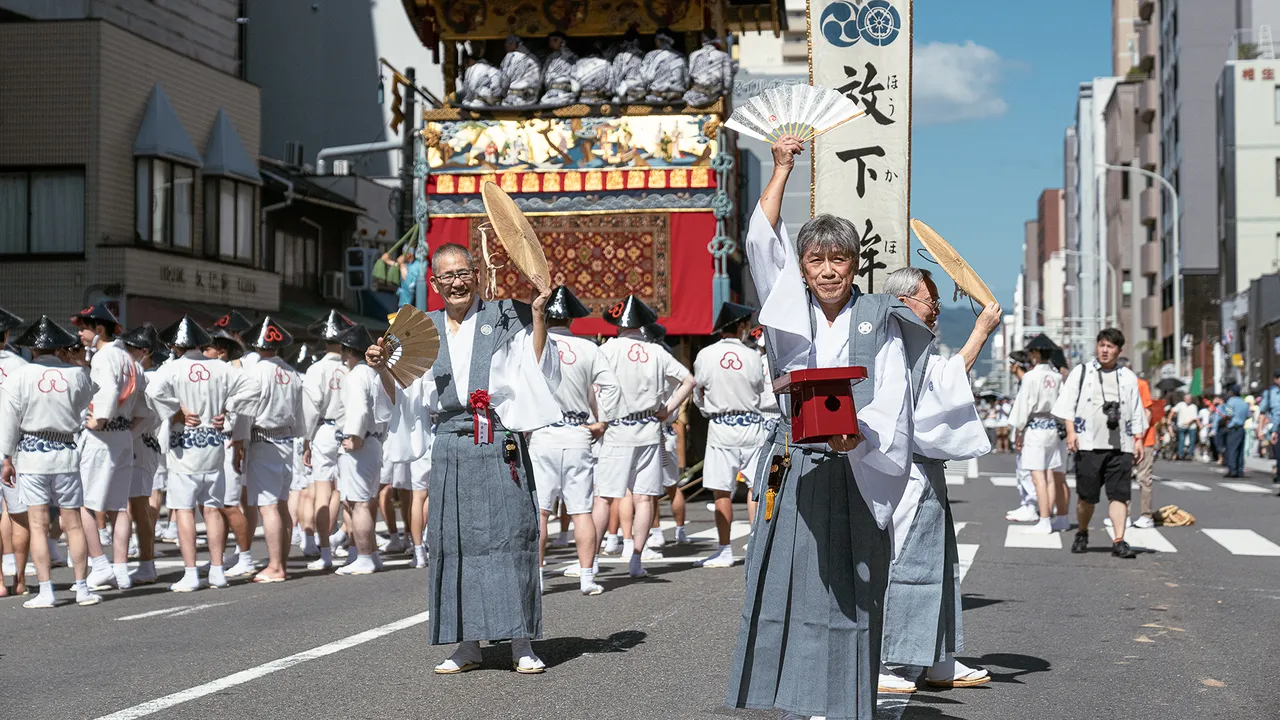
Japan’s matsuri, or traditional festivals, are dazzling expressions of communal spirit, religious devotion, and cultural identity. Central to the electric atmosphere of these celebrations is the music known as “matsuri bayashi.” This vibrant musical tradition, characterized by the dynamic interplay of drums, flutes, and bells, provides the rhythmic lifeblood of Japanese festivals, guiding processions, energizing dancers, and connecting participants across generations. But matsuri bayashi is more than just festive background music—it is a living tradition that embodies the soul of communities and the enduring power of Japanese heritage.
What is Matsuri Bayashi?
The term “matsuri bayashi” (祭囃子) comes from two words: “matsuri,” meaning festival, and “bayashi,” which refers to musical accompaniment, typically involving percussion and wind instruments. Matsuri bayashi is the collective name for the music performed at Shinto festivals and local celebrations across Japan. While regional styles and instrument combinations may vary, the music’s purpose is universal: to invoke the gods, energize participants, and define the rhythm of the festival itself.
Origins and Historical Development
Matsuri bayashi’s roots stretch back centuries, entwined with Japan’s agricultural calendar and Shinto beliefs. Early Japanese society was deeply connected to the cycles of rice planting and harvest, and festivals were held to honor kami (deities), pray for bountiful crops, and give thanks.
Music became an integral part of these rituals. Priests and villagers would perform rhythmic drumming, fluting, and chanting to attract the attention of the gods and to ward off evil spirits. Over time, these musical traditions became formalized into distinct matsuri bayashi styles, each tied to specific regions, shrines, and festival purposes.
Instruments of Matsuri Bayashi
The core instruments of matsuri bayashi ensembles are:
- Taiko (Drums): Ranging from small hand-held shime-daiko to massive odaiko, taiko provide the deep, resonant heartbeat of the music. Their rhythms are the foundation upon which the entire ensemble builds.
- Fue (Bamboo Flutes): The fue, or shinobue, adds melodic lines that soar above the percussion, evoking both joy and nostalgia.
- Kane (Bells/Gongs): The sharp, metallic clang of the kane marks time and accents the music, adding a sense of urgency and festivity.
- Other Percussion: Some regions include additional instruments such as hyoshigi (wooden clappers) or surigane (small gongs) for texture and complexity.
These instruments are typically played in repetitive, cyclical patterns, mirroring the cyclical nature of festivals and the agricultural calendar.
Regional Styles and Famous Matsuri Bayashi
Japan’s diverse geography and local traditions have given rise to many distinctive styles of matsuri bayashi. Some of the most famous include:
- Edo Bayashi (Tokyo): Originating in what is now Tokyo, Edo bayashi is known for its fast, lively rhythms and complex drum patterns. It is closely associated with the Sanja Matsuri and Kanda Matsuri, two of the city’s most important festivals.
- Chichibu Yatai Bayashi (Saitama): Performed during the Chichibu Night Festival, this style features powerful taiko drumming and intricate flute melodies, often performed atop elaborately decorated festival floats.
- Kishiwada Danjiri Bayashi (Osaka): Accompanies the dramatic danjiri (large, wheeled floats) parades. The music is fast-paced, driving the energetic pulling and maneuvering of the floats through city streets.
- Nebuta Bayashi (Aomori): Distinct for its syncopated beats and use of hanagasa (flower hats), this music energizes the famous Nebuta Matsuri, where massive illuminated floats parade through the night.
Every region puts its own stamp on matsuri bayashi, creating a kaleidoscope of musical expression across Japan.
Functions and Symbolism of Matsuri Bayashi
Matsuri bayashi is not merely entertainment. Its functions are multifaceted:
- Spiritual Purpose: The rhythmic sounds are believed to purify the environment, invite deities, and drive away evil spirits. The music creates a sacred soundscape, transforming ordinary streets into spaces for the divine.
- Social Cohesion: Playing and dancing to matsuri bayashi is a communal activity. It brings together people of all ages, from seasoned musicians to eager children, strengthening neighborhood bonds.
- Guiding Processions: The music sets the pace for mikoshi (portable shrine) processions and float parades, coordinating the movements of hundreds of participants.
- Marking Festival Phases: Different musical patterns signal key moments—beginning processions, welcoming the shrine, or signaling the festival’s climax.
Learning and Passing Down Matsuri Bayashi
Traditionally, matsuri bayashi has been transmitted orally and through direct instruction, from elders to younger generations. Many neighborhoods and shrine communities have their own matsuri bayashi groups, known as hayashi-ren, which practice year-round in preparation for the festival season.
Children often start learning the basics of taiko or fue as early as elementary school, gradually taking on more complex parts as they grow older. The process is not just about mastering technique but also about learning humility, teamwork, and respect for tradition.
In recent years, workshops and cultural programs have helped to keep these traditions alive, especially in urban areas where depopulation threatens the continuity of local arts.
Participation and Performance
During a festival, the matsuri bayashi ensemble may perform on a stage, atop a festival float, or while marching through the streets. Musicians often wear happi coats emblazoned with the crest of their neighborhood or shrine, and some groups incorporate theatrical elements or choreographed dances.
Spectators are not passive listeners; the infectious rhythms invite clapping, dancing, and call-and-response chants. In many regions, the audience is encouraged to join in, blurring the line between performer and participant.
Matsuri Bayashi in Modern Japan
While rooted in tradition, matsuri bayashi continues to evolve. Contemporary taiko groups such as Kodo and Yamato have popularized festival rhythms on concert stages around the world, blending matsuri bayashi with modern musical styles.
In Japan, some festivals incorporate pop songs and electronic instruments, while others remain fiercely traditional. The enduring popularity of matsuri bayashi reflects its adaptability and its deep resonance with the Japanese spirit.
The music has also found new life in educational settings, community centers, and even international festivals, where people from diverse backgrounds come together to share in the joy of Japanese rhythm.
Cultural Significance and Future Prospects
Matsuri bayashi is more than a musical genre—it is a living thread that connects Japan’s past, present, and future. Its pulsating rhythms echo the agricultural origins of the festivals, the prayers of the ancestors, and the hopes of today’s communities.
As Japan grapples with population decline and urbanization, the survival of local matsuri bayashi traditions faces challenges. Yet, many communities are redoubling their efforts to pass down these rhythms, recognizing their role in fostering identity, pride, and connection.
Conclusion
Matsuri bayashi is the heart and soul of Japanese festivals—a powerful, communal sound that sweeps through narrow lanes and broad avenues, uniting people in celebration, devotion, and sheer delight. Whether performed by veteran drummers atop ancient floats or by children learning their first rhythms, matsuri bayashi embodies the continuity of tradition and the joy of collective experience.
Leave a Reply