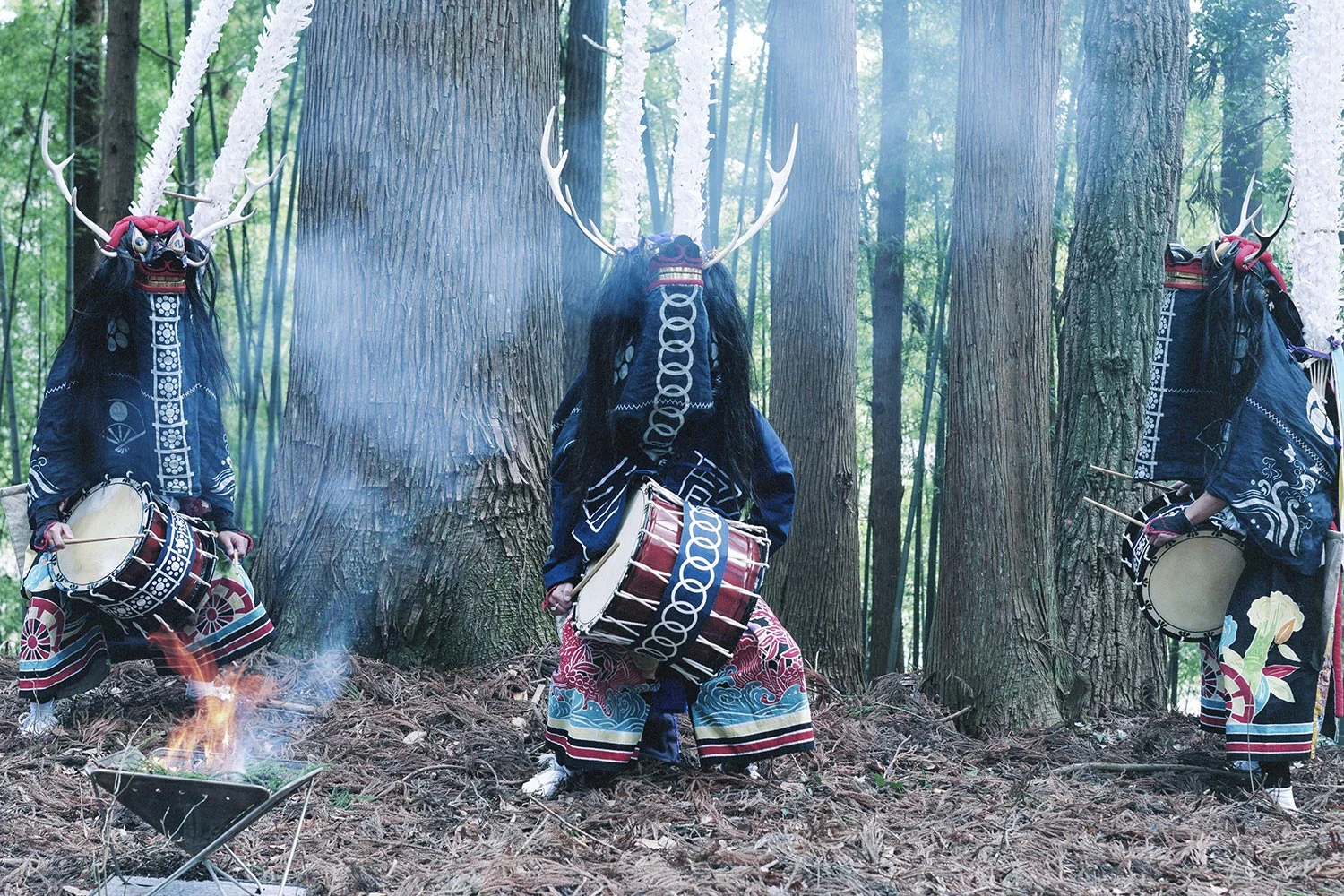
Japan’s forests have long been inhabited by more than just trees and wildlife—they are also home to a rich tapestry of folklore, where animals take on magical qualities and the boundary between the natural and supernatural blurs. Among the most beloved and mischievous figures in this folklore is the tanuki, often translated as “raccoon dog,” a creature famous for its shapeshifting abilities, playful pranks, and musical antics. The legend of the “tanuki bayashi”—tanuki drumming in the forest—captures the whimsical spirit of these creatures and continues to enchant both children and adults across Japan. This article delves into the origins, cultural meanings, and enduring legacy of the tanuki bayashi, revealing how this story resonates in music, festivals, and popular imagination.
The Tanuki: Japan’s Trickster of the Wilds
Before exploring the bayashi (musical) aspect, it’s helpful to understand the tanuki’s place in Japanese folklore. The tanuki is a real animal (Nyctereutes procyonoides), native to East Asia, but in Japanese myth, it is much more than a simple woodland creature. Folklore describes the tanuki as a master trickster, capable of transforming its appearance, using its belly as a drum, and playing musical pranks on unsuspecting humans.
Tanuki are often depicted with jovial expressions, large bellies, and a bottle of sake, symbolizing both their carefree nature and the joys of earthly pleasures. Unlike the fox (kitsune), whose magic is often associated with cunning and even malice, tanuki are generally seen as good-natured pranksters whose tricks rarely cause lasting harm.
What is Tanuki Bayashi?
The term “tanuki bayashi” combines “tanuki” with “bayashi,” which refers to a traditional musical ensemble or the act of playing festival music, especially on drums and flutes. In folklore, tanuki bayashi is the mysterious drumming or music said to echo from deep within the forest at night—music with no visible source, leading villagers to wonder if magical animals are holding a secret festival.
One of the most famous tales comes from the area of Shōwa in Tokyo (formerly Musashi Province), where villagers reported hearing festive music drifting from the woods, growing louder and then fading away as they tried to follow it. When the villagers investigated, they found only empty forest, no musicians or instruments in sight. The mysterious phenomenon was attributed to the tanuki, who were said to gather at night to play music, dance, and celebrate, hidden from human eyes.
Legendary Origins and Local Variations
Stories of tanuki bayashi have been told across Japan, with each region adding its own flavor. In some places, the drumming is described as irresistibly joyful, tempting travelers off their path. In others, it is a warning not to wander too deep into the woods at night. The legends serve multiple purposes: explaining strange sounds in the forest, instilling respect for nature, and providing a source of communal amusement.
The motif of tanuki using their bellies as drums is especially prominent. In picture books and woodblock prints, tanuki are often shown drumming gleefully with their paws. The sound of the belly drum (“ponpoko pon”) has become symbolic of the tanuki’s playful spirit and features in many children’s songs and festival chants.
Tanuki Bayashi in Music and Festivals
The legend of tanuki bayashi has transcended folklore to inspire real music and festivities throughout Japan:
-
Children’s Songs and Stories: The song “Shōjōji no Tanuki Bayashi” is one of the best-known children’s tunes in Japan. It tells of tanuki gathering at the ancient temple Shōjōji to drum on their bellies and sing, inviting listeners to join in the fun. The “ponpoko pon” refrain is instantly recognizable to Japanese audiences.
-
Local Festivals: Some regions celebrate their connection to the tanuki legend with actual tanuki bayashi performances. Drummers, costumed as tanuki or carrying tanuki masks, parade through the streets or forests, recreating the mythical nocturnal festival. In Saitama Prefecture and other locales, such events are part of the annual calendar, drawing crowds of locals and tourists alike.
-
Theatrical Performances: Tanuki bayashi appears in kabuki and other forms of Japanese theater. Performers use drums and flutes to evoke the magical revelry of the tanuki, sometimes blending humor, music, and dance.
Symbolism and Cultural Significance
The enduring appeal of tanuki bayashi lies in its layers of meaning and its ability to spark the imagination:
-
Nature’s Mysteries: The unexplained music in the woods reminds us that the natural world is filled with wonders beyond our understanding. The stories encourage respect for the forest and its hidden inhabitants.
-
Playfulness and Community: At its heart, tanuki bayashi is about joy, togetherness, and mischief. The tanuki’s music blurs the line between the mundane and the magical, inviting people of all ages to join in the celebration, if only in spirit.
-
Coping with the Unexplained: Folktales like tanuki bayashi offer a way for communities to process mysterious or unsettling experiences, transforming fear into laughter and the unknown into a source of local pride.
Tanuki Bayashi in Popular Culture
The legend continues to inspire artists, writers, and filmmakers:
-
Animation and Film: Studio Ghibli’s film “Pom Poko” (1994) brings the tanuki and their music to life, including scenes of belly drumming and forest revelry. The film explores themes of environmental loss, adaptation, and the enduring power of folklore.
-
Modern Music and Art: Contemporary musicians and visual artists draw on the rhythms and imagery of tanuki bayashi to create works that fuse traditional and modern sensibilities.
-
Mascots and Public Art: Statues of tanuki, often depicted with drums or musical instruments, can be found outside temples, restaurants, and shops, symbolizing good luck and a playful welcome.
Tanuki Bayashi and Environmental Awareness
In recent years, the story of tanuki bayashi has taken on new resonance as Japan confronts environmental challenges. The tanuki’s habitat—Japan’s forests—is under pressure from urbanization and climate change. Reviving tanuki bayashi festivals and songs is one way that local communities reconnect with nature, celebrate biodiversity, and promote conservation.
Experiencing Tanuki Bayashi Today
For those visiting Japan or interested in its culture, there are many ways to experience the magic of tanuki bayashi:
-
Attend a Festival: Check local festival calendars for events featuring tanuki bayashi performances, especially in rural areas with strong folkloric traditions.
-
Visit Temples and Shrines: Many temples (such as Shōjōji in Tatebayashi, Gunma Prefecture) hold annual celebrations that honor the tanuki and their music. Statues, paintings, and performances keep the legend alive.
-
Explore the Forest: Take a walk in Japan’s wooded regions at dusk or night, and listen for the echoes of drums. Whether you hear tanuki bayashi or not, the experience fosters a deeper connection to nature and its mysteries.
-
Enjoy Tanuki Stories and Songs: Listen to versions of “Shōjōji no Tanuki Bayashi” and read illustrated storybooks to get a sense of how the legend is passed from generation to generation.
Conclusion: The Lasting Magic of Tanuki Bayashi
Tanuki bayashi in the forest is more than just a story about raccoon dogs playing music—it is a celebration of the playful, mysterious, and communal spirit that infuses Japanese folklore. By inviting us to imagine the music echoing through moonlit woods, the legend reminds us to find joy in the unexpected, to cherish our bonds with nature, and to keep alive the rhythms of tradition.
In a rapidly modernizing world, the sound of tanuki bayashi continues to beckon from the depths of the forest, inviting each new generation to dance, laugh, and listen for the magic that lies just beyond the trees.
Leave a Reply