
Japan is world-renowned for its harmonious society, deep-rooted traditions, and distinctive etiquette. At the heart of Japanese culture lies an enduring value: profound respect for elders. This reverence shapes family life, social interactions, and even national policy. In this article, we’ll explore the historical foundations, everyday practices, and evolving nature of respect for elders in Japan, along with the challenges and opportunities that come with modernity.
Historical Foundations of Respect for Elders in Japan
The roots of respecting elders in Japan can be traced to ancient philosophies and societal structures. Two main influences stand out:
-
Confucianism: Introduced to Japan from China, Confucian values emphasize filial piety (“oya koko”)—the moral duty to honor, care for, and obey one’s parents and ancestors. This philosophy has long shaped Japanese attitudes toward older generations, promoting harmony, hierarchy, and collective responsibility within families and communities.
-
Shintoism: The indigenous religion of Japan, Shinto, venerates ancestors and regards them as protective spirits. Ancestral worship remains present in rituals such as Obon, a festival where families honor the spirits of deceased relatives.
Historically, the extended family (“ie”) was the fundamental unit of Japanese society, with elders at the helm. The oldest male typically held authority, making decisions and ensuring the family’s welfare. This reverence extended beyond the home, influencing village structures and social relationships.
Everyday Practices: How Respect for Elders is Expressed
Respect for elders manifests in countless ways throughout Japanese daily life, both formally and informally. Some key practices include:
-
Language and Titles: The Japanese language is rich in honorifics and levels of politeness. Addressing elders requires respectful terms such as “san” or “sama,” and verb forms (“keigo”) that denote humility and deference. Younger people typically avoid calling elders by their first names, using titles like “sensei” (teacher/master), “ojisan” (uncle), or “obaasan” (grandmother) as appropriate.
-
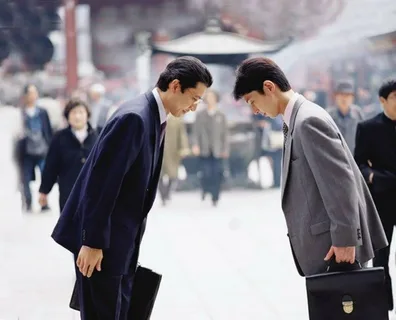
Bowing (Ojigi): Bowing is a universal sign of respect in Japan. The depth and length of a bow convey formality and reverence, with deeper bows reserved for elders or superiors. Children are taught from a young age to bow properly when greeting or thanking older people.
-
Seating Arrangements (Kamiza and Shimoza): In formal settings, seating arrangements reflect social hierarchy. The “kamiza,” or seat of honor, is reserved for the oldest or most senior person present. At meals, ceremonies, and meetings, elders are seated first and served before others.
-
Gift Giving (Oseibo and Ochugen): Gift-giving is a customary way to show gratitude and respect. Seasonal gifts, such as oseibo (year-end) and ochugen (mid-year), are often given to parents, grandparents, teachers, and elderly mentors.
-
Celebrating Longevity: Special occasions, including the “Keiro no Hi” (Respect for the Aged Day) national holiday, celebrate the contributions and long lives of older adults. Families and communities organize festivities, give gifts, and visit elderly relatives on this day.
Family Life: The Role of Elders in Japanese Homes
Traditionally, multi-generational households were the norm in Japan. Grandparents played active roles in raising children, passing down stories, and maintaining family traditions. Decision-making often rested with the eldest family members, and caring for aging parents was seen as a moral—and often legal—obligation.
The concept of “oyakoko” (filial piety) remains strong. Adult children are expected to support their parents emotionally, physically, and financially as they age. This responsibility is not simply a burden, but a source of pride and a way to repay the sacrifices elders made for their families.
Respect for Elders in Japanese Society
The value of respect for elders extends beyond the family unit into broader society:
-
Community Roles: Elders often serve as advisors or leaders in neighborhood associations, schools, and religious organizations. Their wisdom is sought in resolving disputes or guiding community events.
-
Workplace Etiquette: Seniority plays a critical role in Japanese companies. Older employees are often addressed with honorifics, and junior staff defer to their experience and judgment. Retirement ceremonies and farewell parties (“kanreki”) honor the careers of senior workers.
-
Healthcare and Social Services: The government supports respect for elders through robust healthcare and social welfare systems. Public campaigns encourage younger generations to volunteer and engage with seniors, recognizing their ongoing value to society.
Modern Challenges to Traditional Respect
Despite its enduring presence, the culture of respect for elders in Japan faces significant challenges:
-
Demographic Shifts: Japan has one of the world’s oldest populations, with over 28% aged 65 or older. As birth rates decline and families shrink, fewer young people are available to care for elderly relatives. The rise of nuclear families and urbanization has led to more seniors living alone.
-
Changing Family Structures: Younger generations increasingly prioritize careers and personal independence. Traditional multi-generational households are less common, and care responsibilities are shifting to professional caregivers or institutions.
-
Workforce Pressures: Economic demands mean that adult children—especially women—may be less able to provide full-time care. This can strain the traditional expectation of filial piety.
-
Social Isolation: Loneliness among elders is a growing concern. In some cases, the breakdown of traditional support networks has led to issues such as “kodokushi” (lonely deaths), where individuals pass away alone and unnoticed.
Adapting Traditions: New Expressions of Respect
Japanese society is actively seeking ways to adapt its culture of respect for elders to modern realities:
-
Community Initiatives: Local governments and NPOs run programs to engage seniors in community life, such as intergenerational activities, volunteering, and lifelong learning opportunities.
-
Technology Solutions: Robotics and digital platforms are being developed to assist with elder care, monitor health, and facilitate communication between generations.
-
Flexible Work Policies: Companies are adopting more flexible work arrangements to help employees balance career and caregiving responsibilities.
-
Policy Innovations: The government continues to expand pension, healthcare, and long-term care systems, recognizing the importance of supporting both elders and their families.
Respect in the Global Context
Japan’s culture of elder respect stands in contrast to some Western societies, where individualism and independence are more highly prized. Japanese practices—such as bowing, using honorifics, and celebrating longevity—have attracted international attention and admiration. Many countries now look to Japan as a model for addressing the challenges of aging populations.
At the same time, Japanese society is learning from abroad, incorporating new ideas about elder autonomy, active aging, and social participation. The result is a dynamic interplay between tradition and innovation.
Conclusion: The Enduring Value of Respect for Elders
While Japan faces significant demographic and social changes, the deep-rooted culture of respect for elders remains a defining feature of its national identity. This value continues to influence family life, social policies, and everyday interactions, even as it adapts to new realities.
Upholding respect for elders is about more than etiquette—it’s a living tradition that binds generations, fosters community, and honors the wisdom of those who came before. As Japan navigates the challenges of an aging society, its commitment to valuing elders offers lessons for the world on compassion, responsibility, and the enduring power of cultural heritage.